One betslip, more ways to bet
Redesigning a betslip to support new betting formats, live odds changes and promotional rules.
iGaming · Sportsbook · Betslip
La misión
This work focused on InPlaySoft’s own betting product. Requirements came from the CEO, product managers and operators. I translated them into betslip layouts and behaviours, working through the decisions with product leadership and developers. I documented the design changes and sport-specific behaviours in Figma. 90% of players bet on their phones, so I designed for them.
The card structure was implemented and remains in use, although the front-end differs from the designs. Other behaviours documented in October 2025, including odds-movement indicators and Turbo Odds, remained unimplemented as of September 2026 while the team prioritised other areas of the platform.
- Rol
- Senior Product Designer
- Enfoque
- Bet composition · Interaction design · Error handling
- Producto
- inplayBet → GingaBet
- Mercado
- Brazil
- Periodo
- 2024–2025
The betslip I inherited
Four ways to bet, all in one list.
The betslip I took over already supported Single, Multiple, System and Chain. Selections ran as one continuous list. Odds were set larger than the selection text they belonged to and competed with it for attention. One stepper set the stake for the whole slip, nothing marked a price that had moved, and the preferences for handling odds changes sat outside the betslip. The top of the panel held six controls, four of them unlabelled icons, and the front end behind it was inconsistent in places.
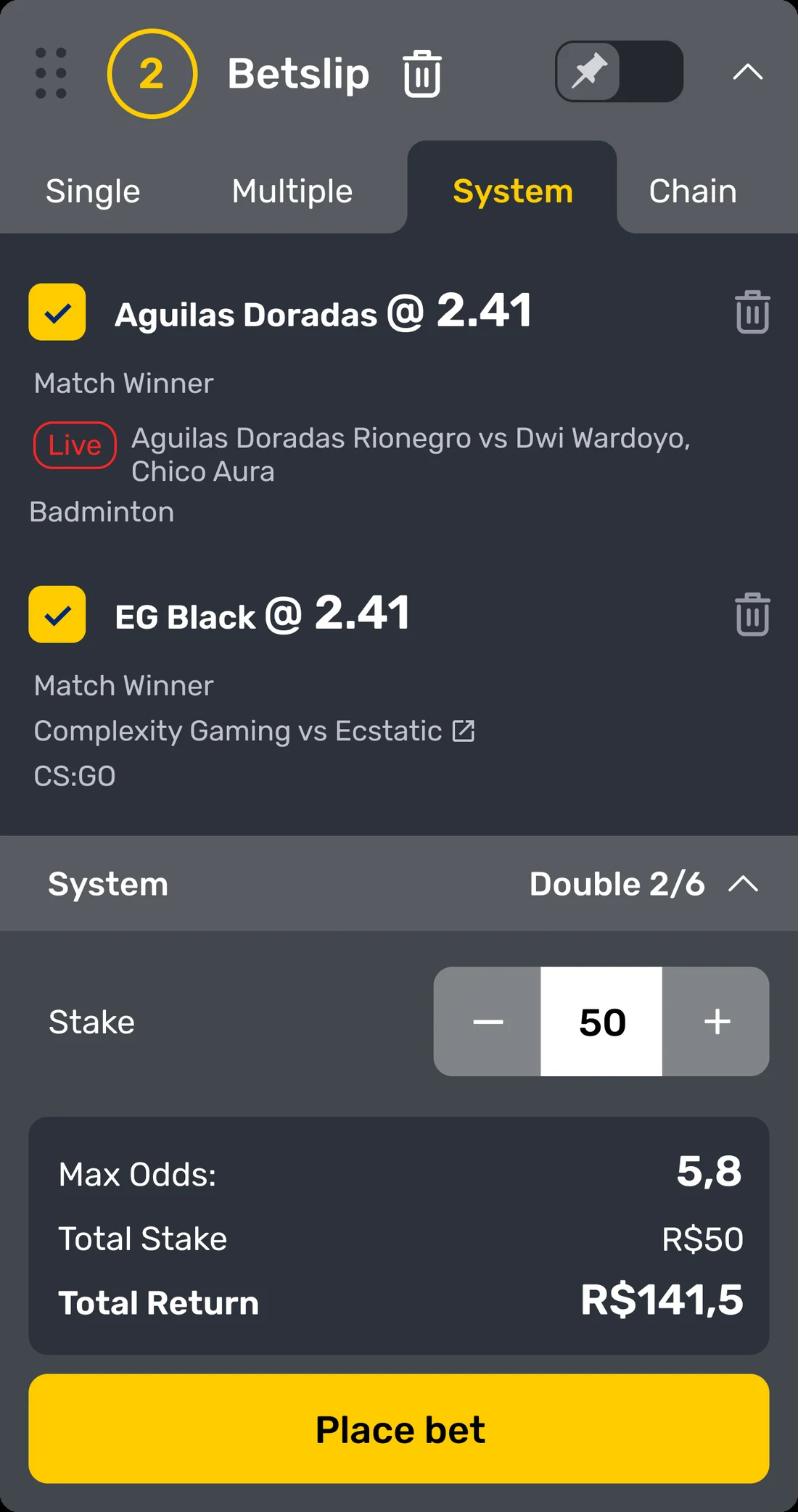
One list, one stepper, odds dominating the selection text.
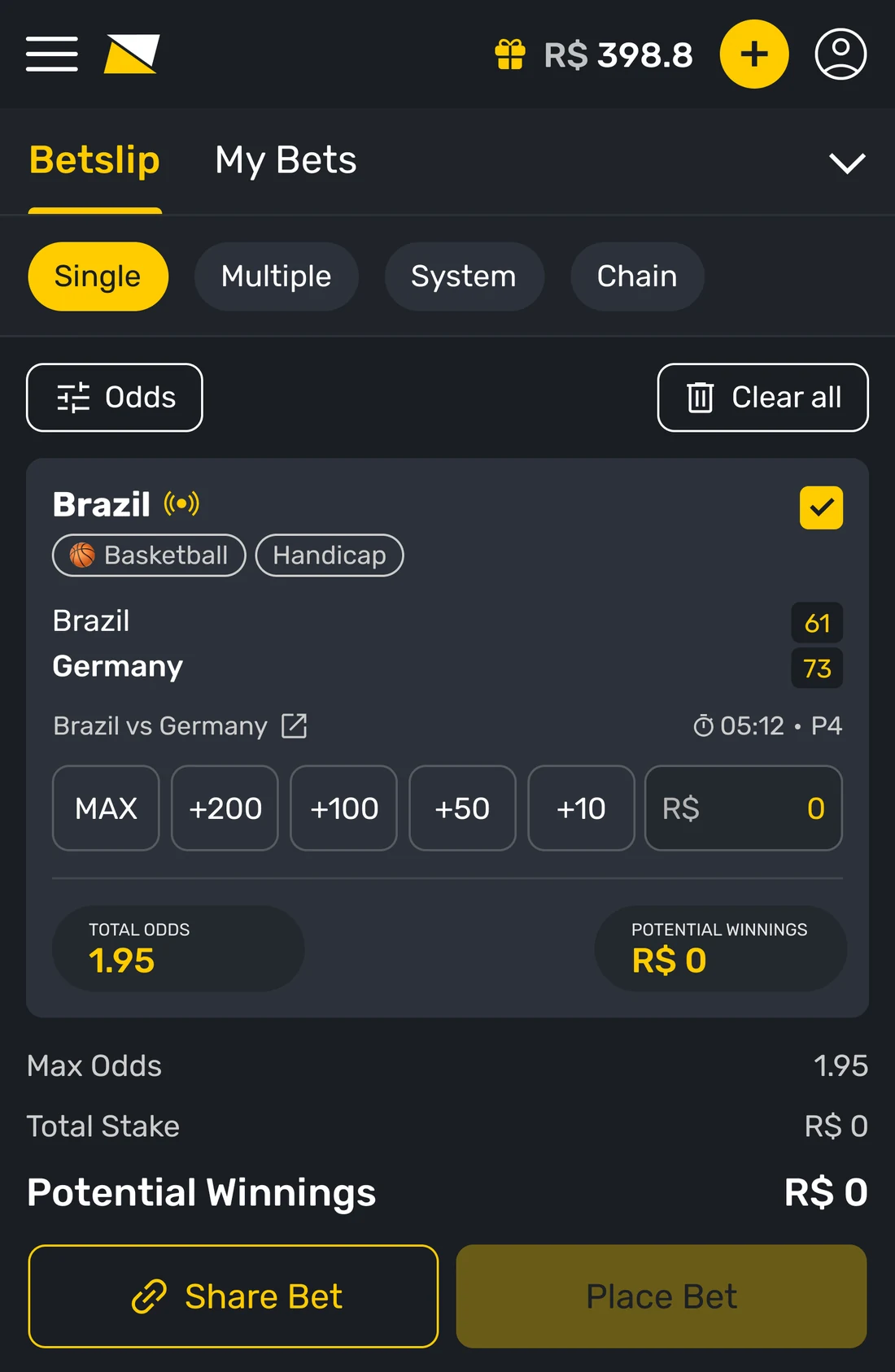
The bet as a card, with its own stake and return.
Rebuilding the core
Each bet becomes something you can read on its own.
Operators asked for bets that took less height and still read as separate from each other. The CEO brought the request, and I grouped each bet into its own card: selection, market, kickoff and odds stopped competing on one line, and everything belonging to a bet stayed with it. That structure reached the product and is still in use.
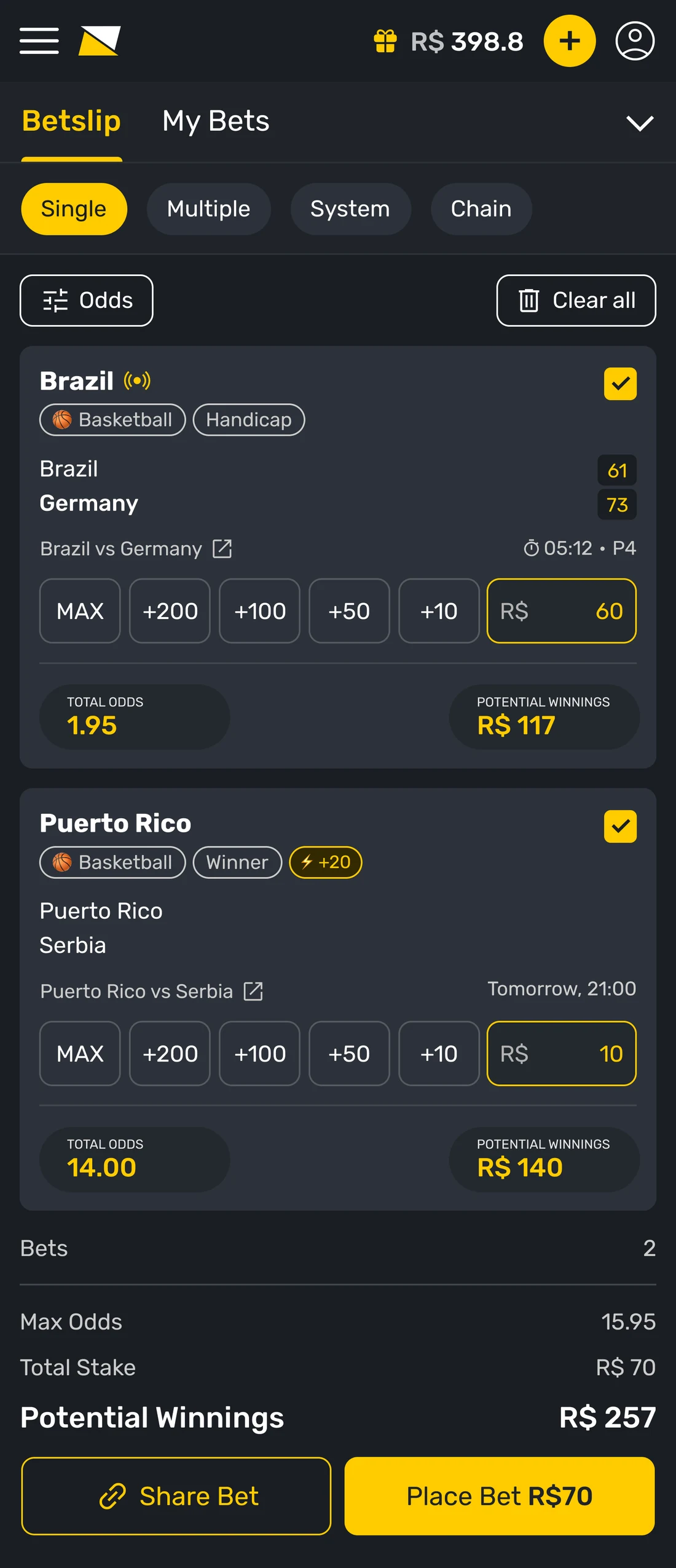
Stake and return inside each bet.
The stake model changed with the bet type: on the bet for a Single, at slip level for Multiple, System and Bet Builder.
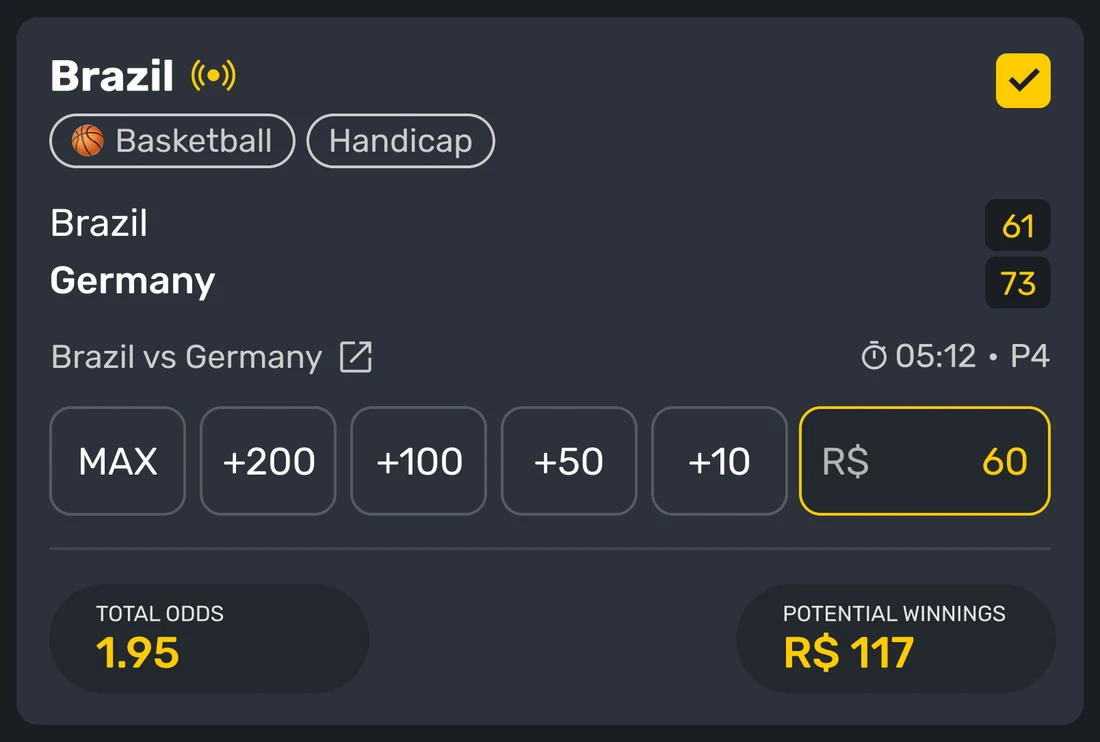
Amounts and return inside the card.
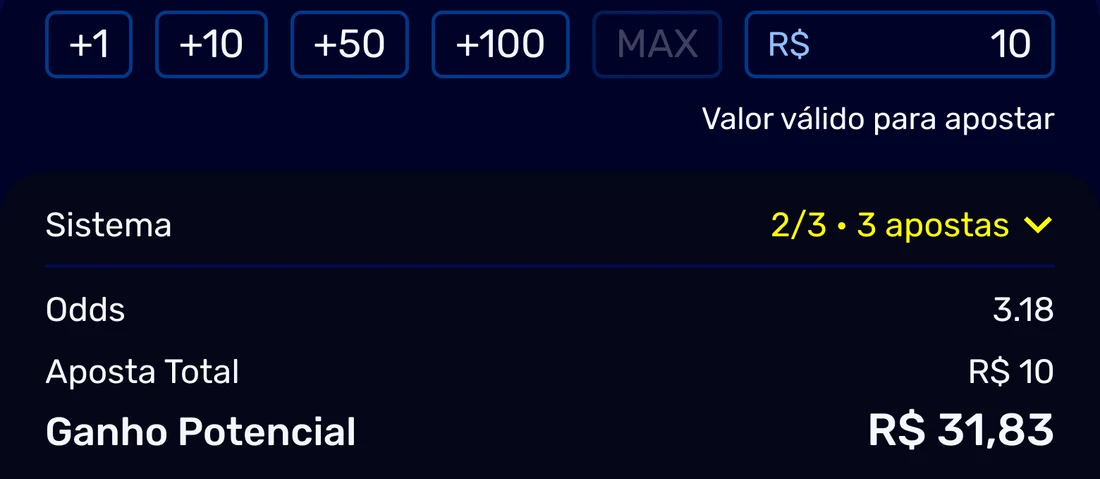
One row for the whole slip, with the combination it covers.
The controls that govern the slip moved into it. How odds changes are handled is a preference, and it used to open as a sheet over the betslip. In the redesign it sits inside the betslip itself, above the bets: on a phone that is one layer less to open and close, and it keeps the player where the bet is being made. Chain left the tab row along the way, and the top of the panel lost actions it did not need.
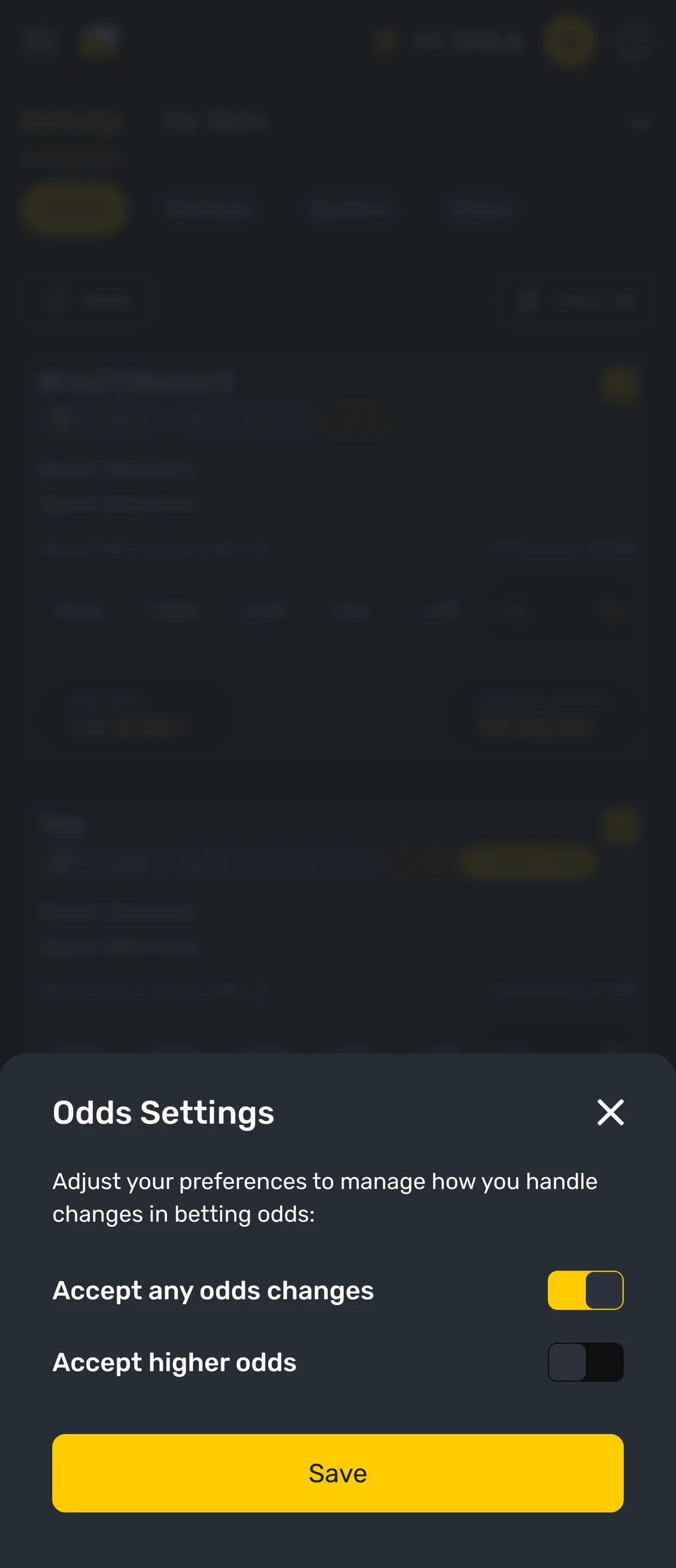
The preference as a sheet over the betslip.
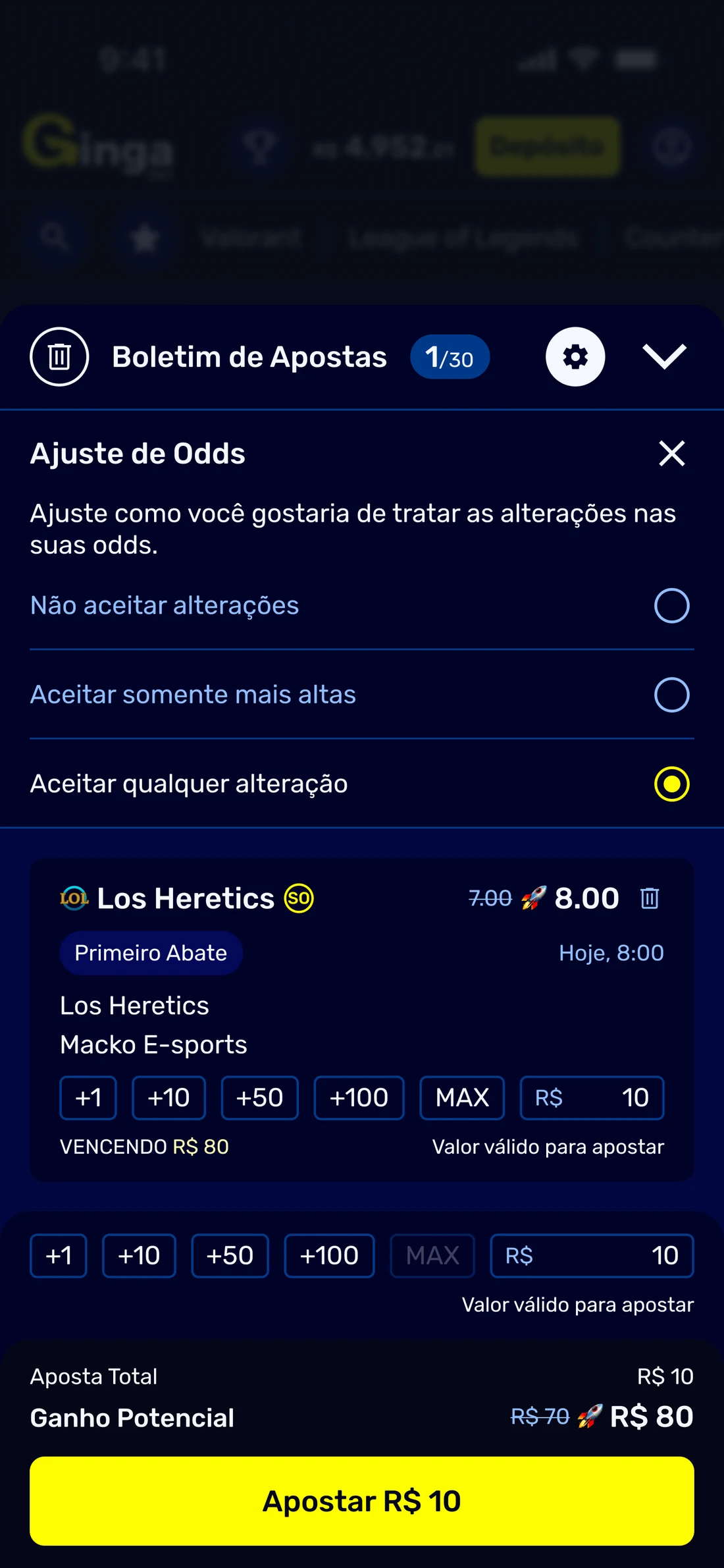
The same preference inside the betslip.
Bet composition
A System bet is several bets. A Bet Builder is one bet made of several.
On a System bet the player stakes on combinations rather than on the selections themselves, so the slip opens into the available combinations, each showing what it returns.
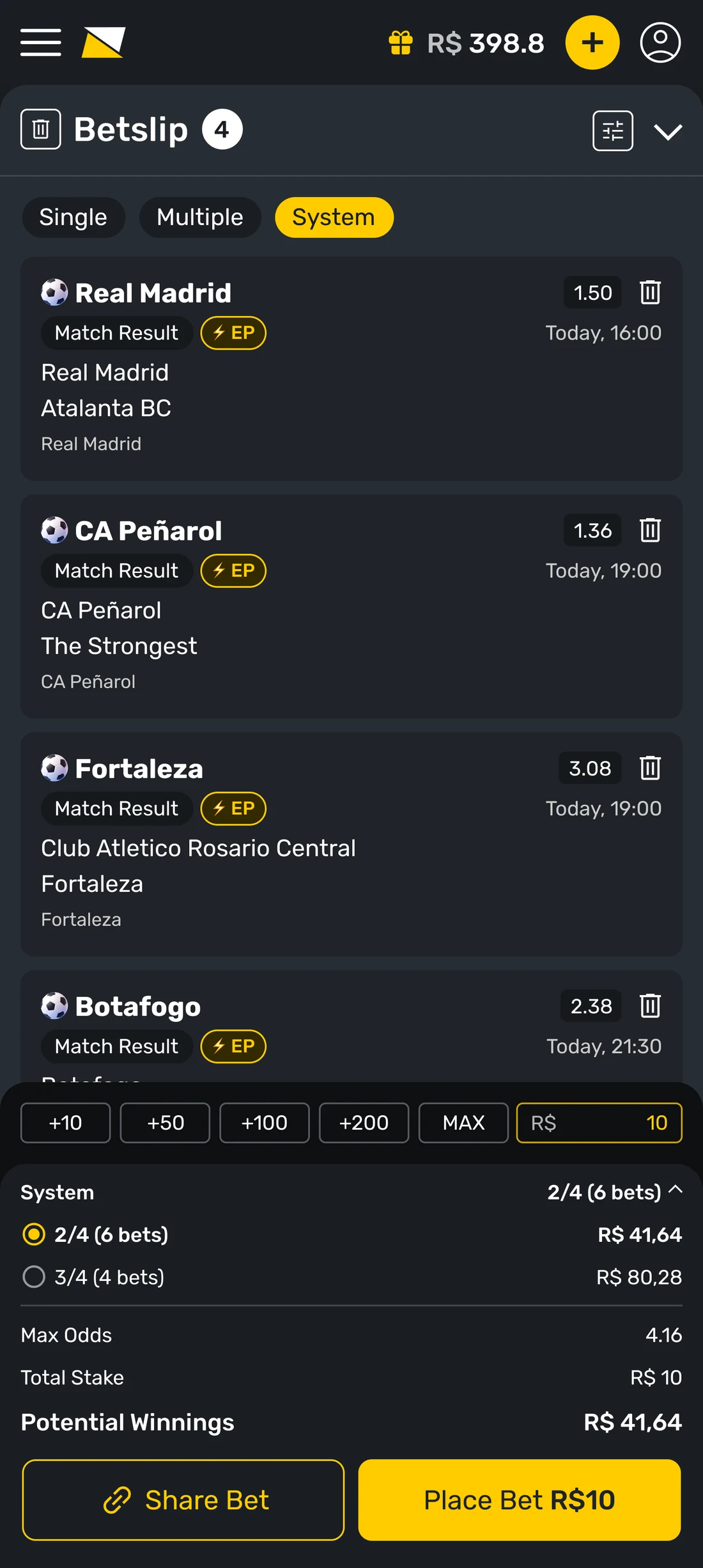
The first pass: combinations as a plain list.
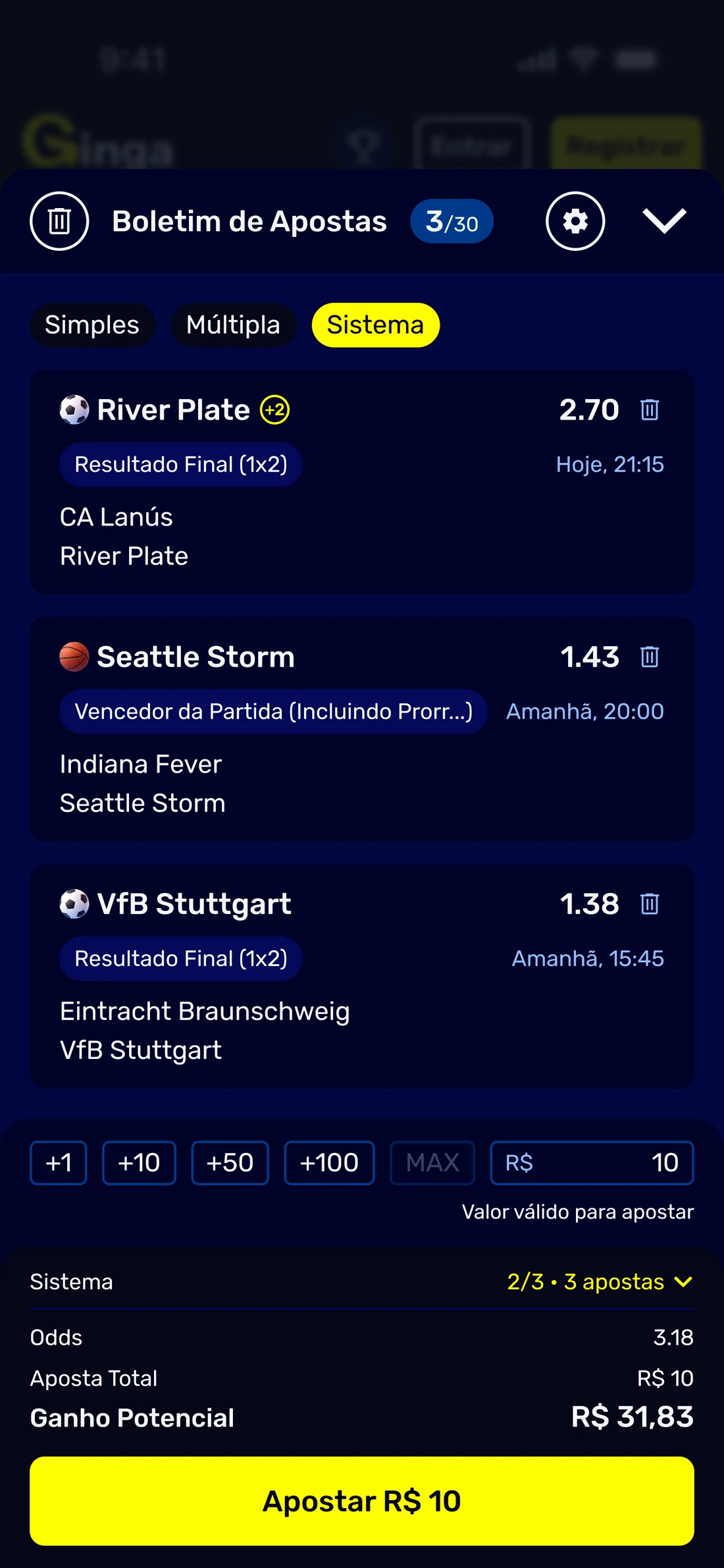
Later, the same row closed.
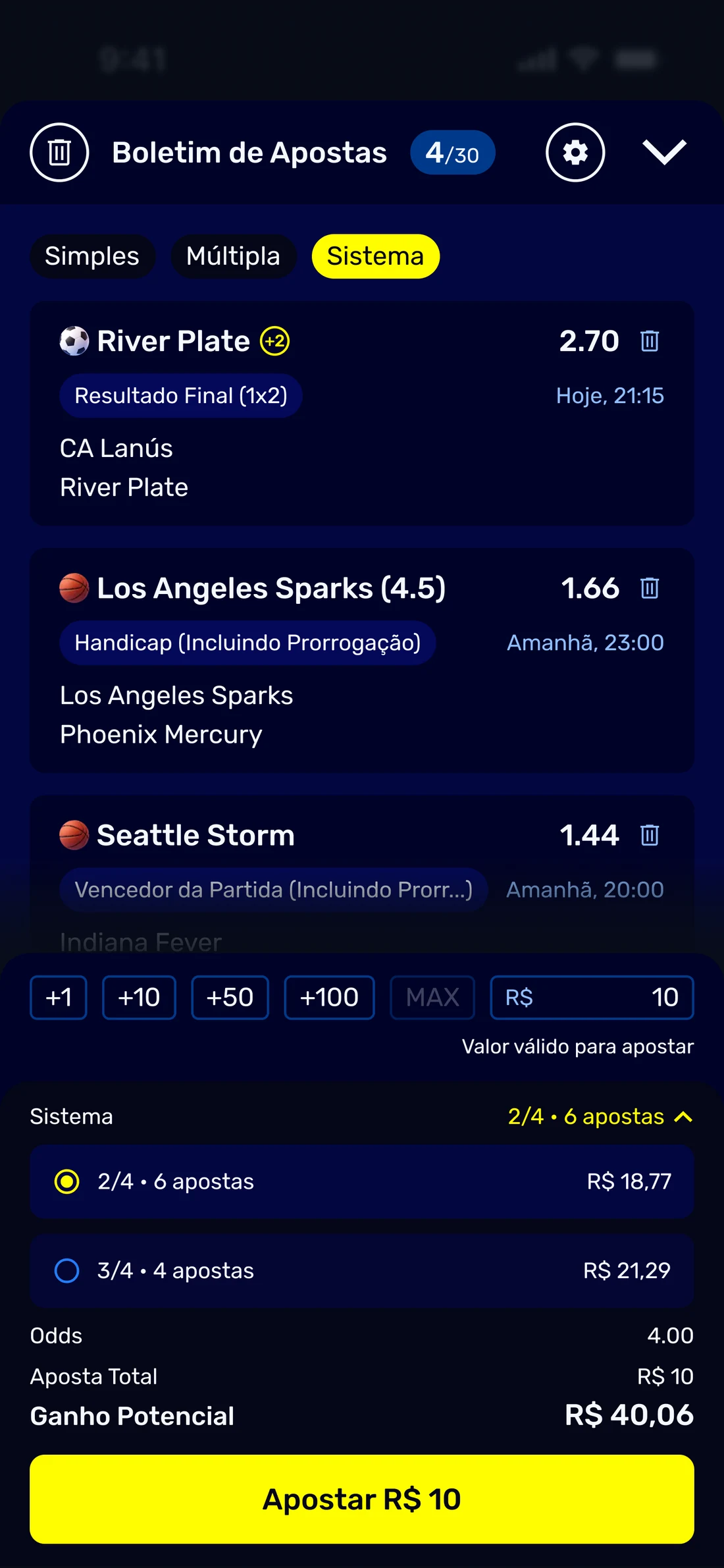
Open, each option in a block with its return.
A Bet Builder carries a list of its own: closed by default, then each leg with its market and a delete control, up to thirteen from the same match. Builders sit in the same list as ordinary selections, and a Multiple can hold several of them across different matches.
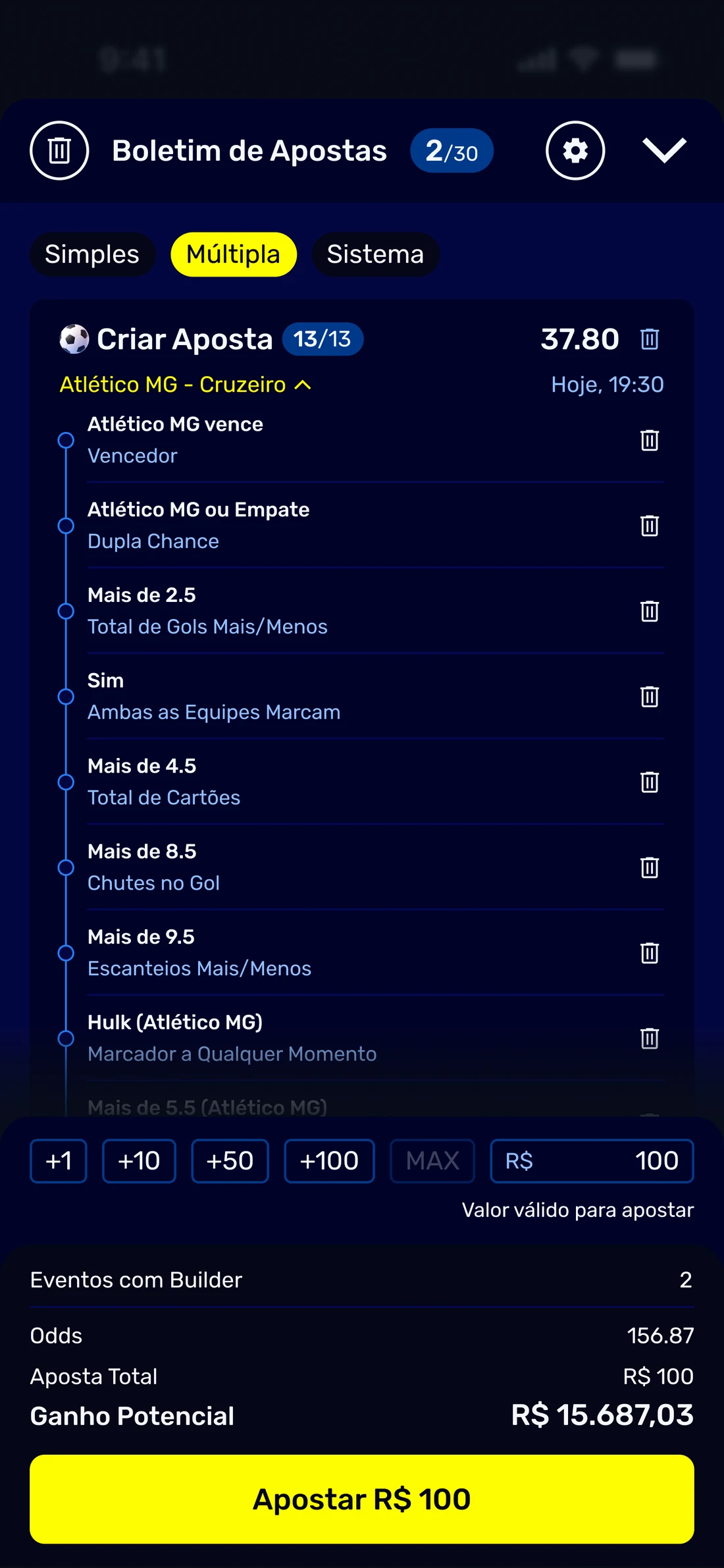
Expanded, with the count of legs on the bet.
As the sportsbook grew
More ways to bet brought more rules with them.
The slip also kept taking in offers that worked in different ways: some changed what a Multiple was worth, some added protection, some applied to the whole slip, and some arrived already built.
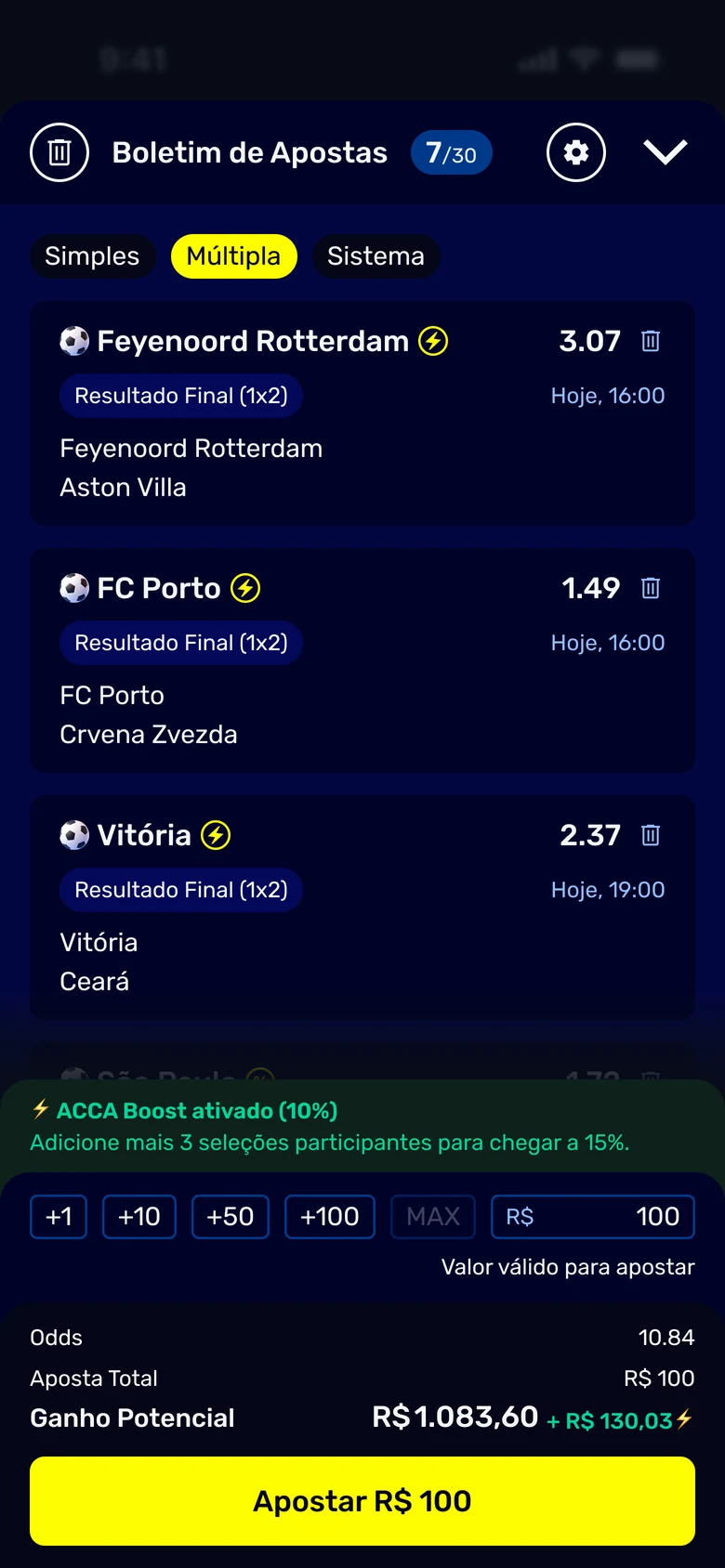
Active at ten per cent, with the slip naming what the next step needs.
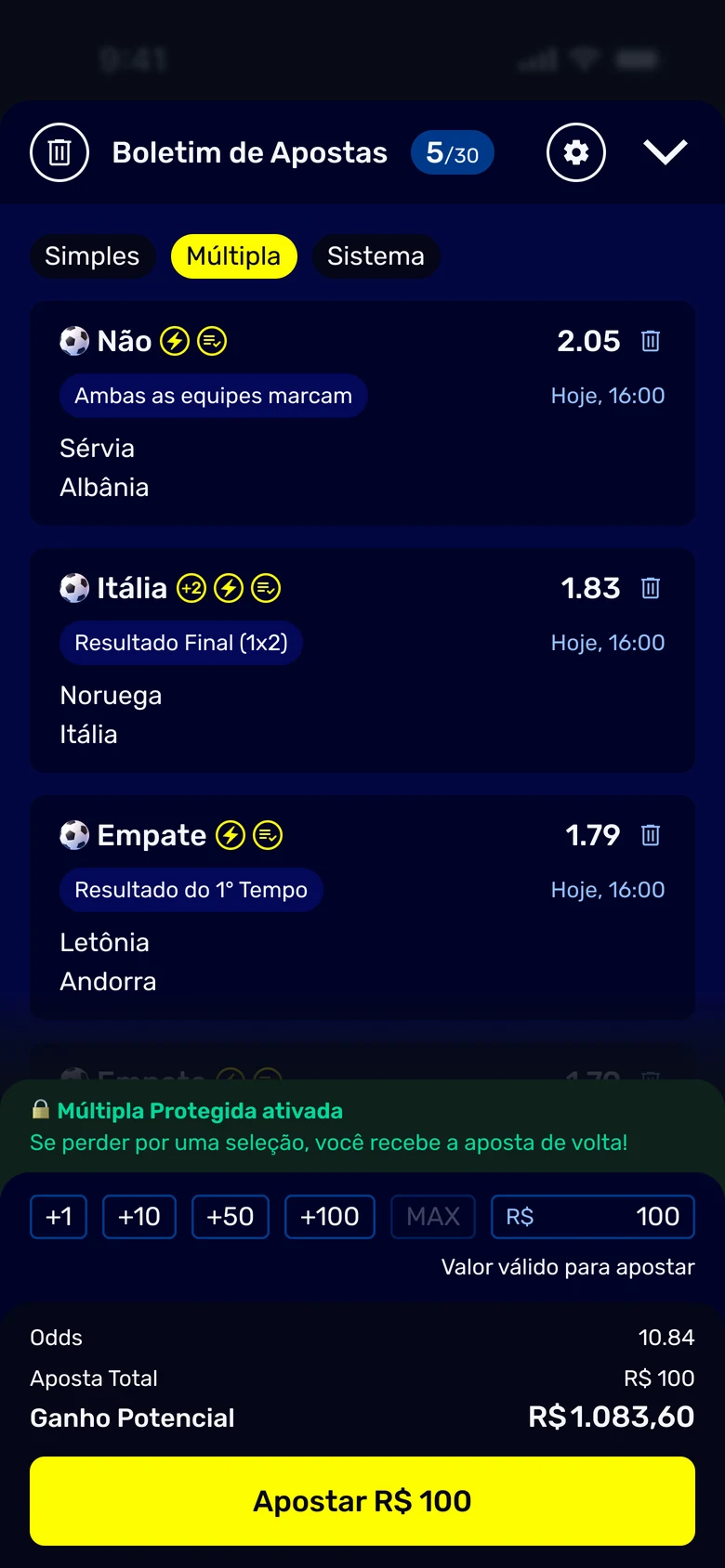
Protection on the Multiple, with the condition that earns the stake back in the slip.
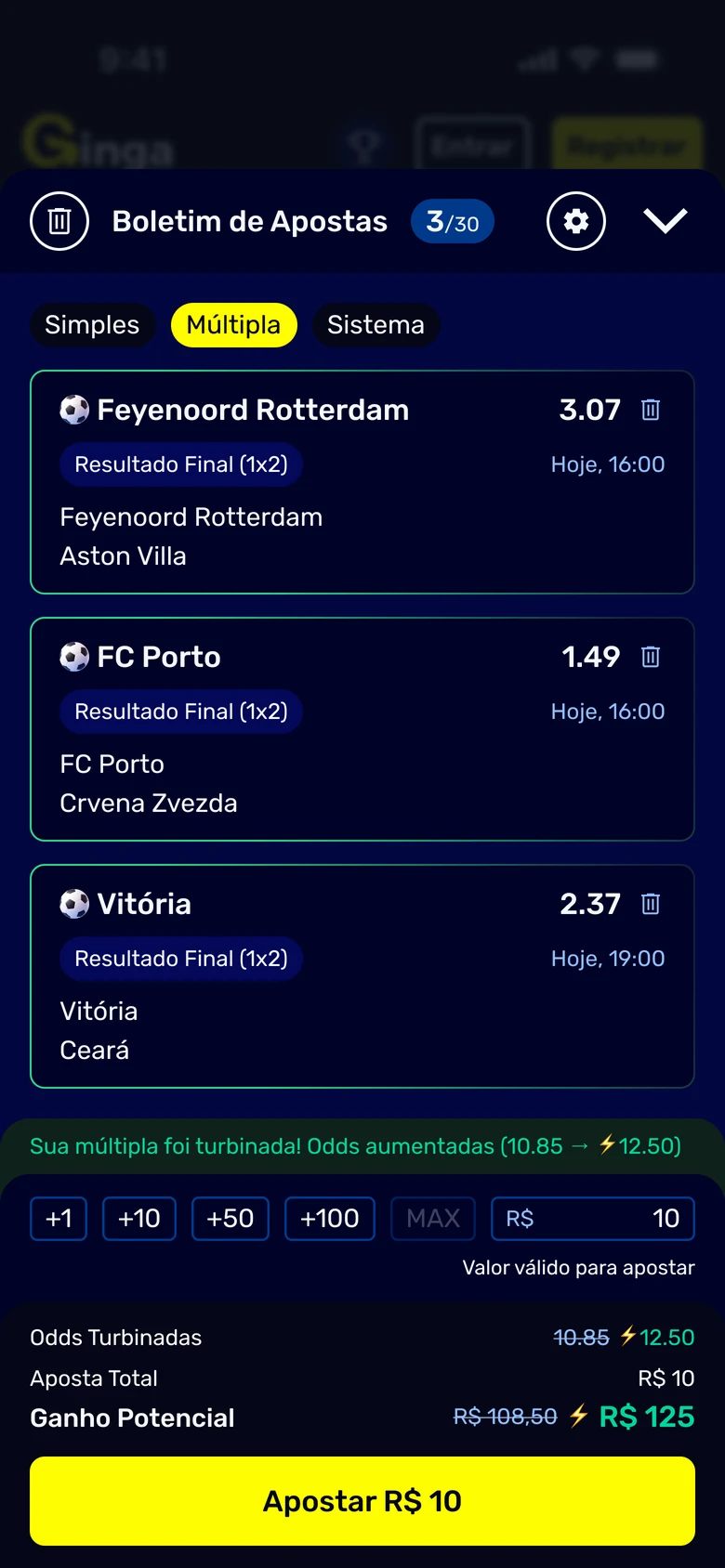
The boost applies to the whole Multiple and is carried as a summary line.
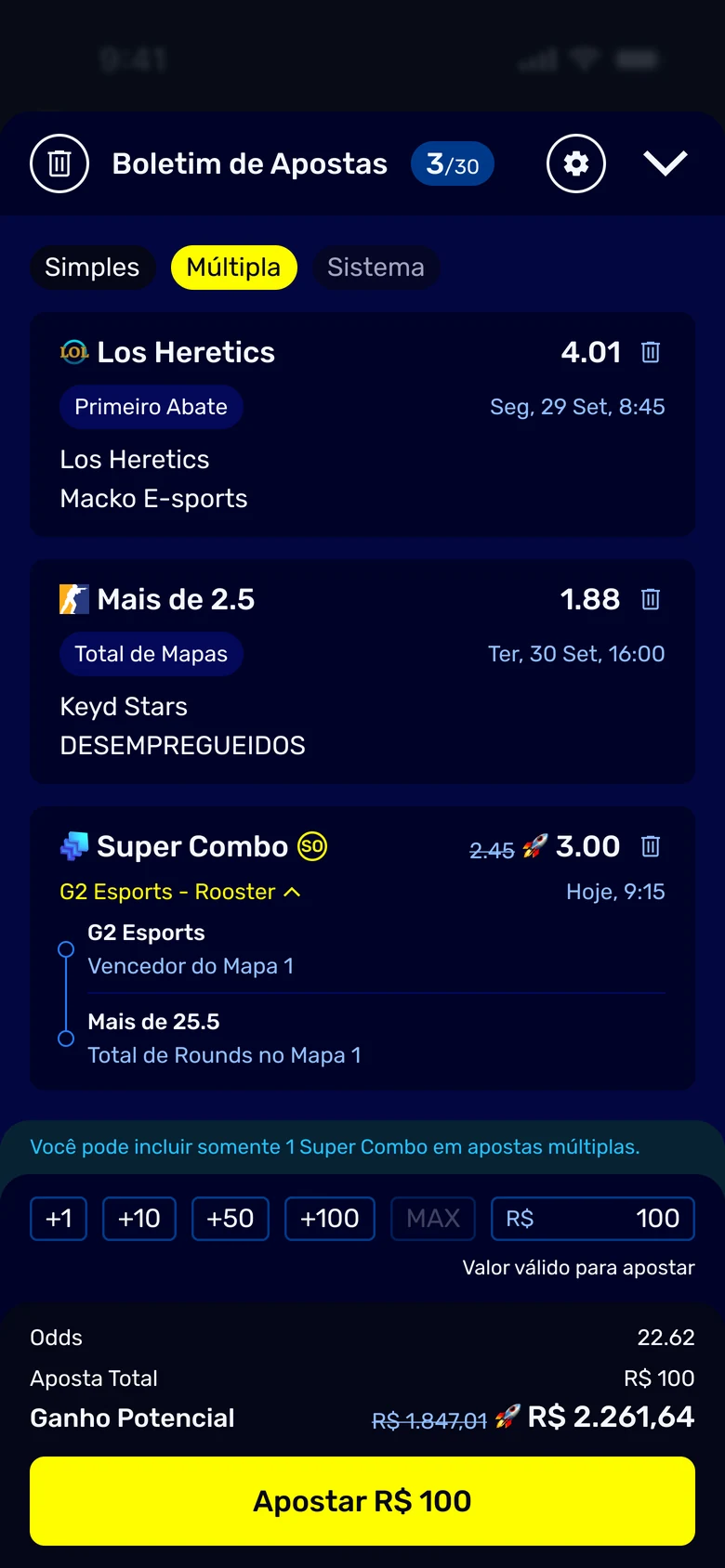
A pre-built combination enters as one bet with its legs, here in eSports markets.
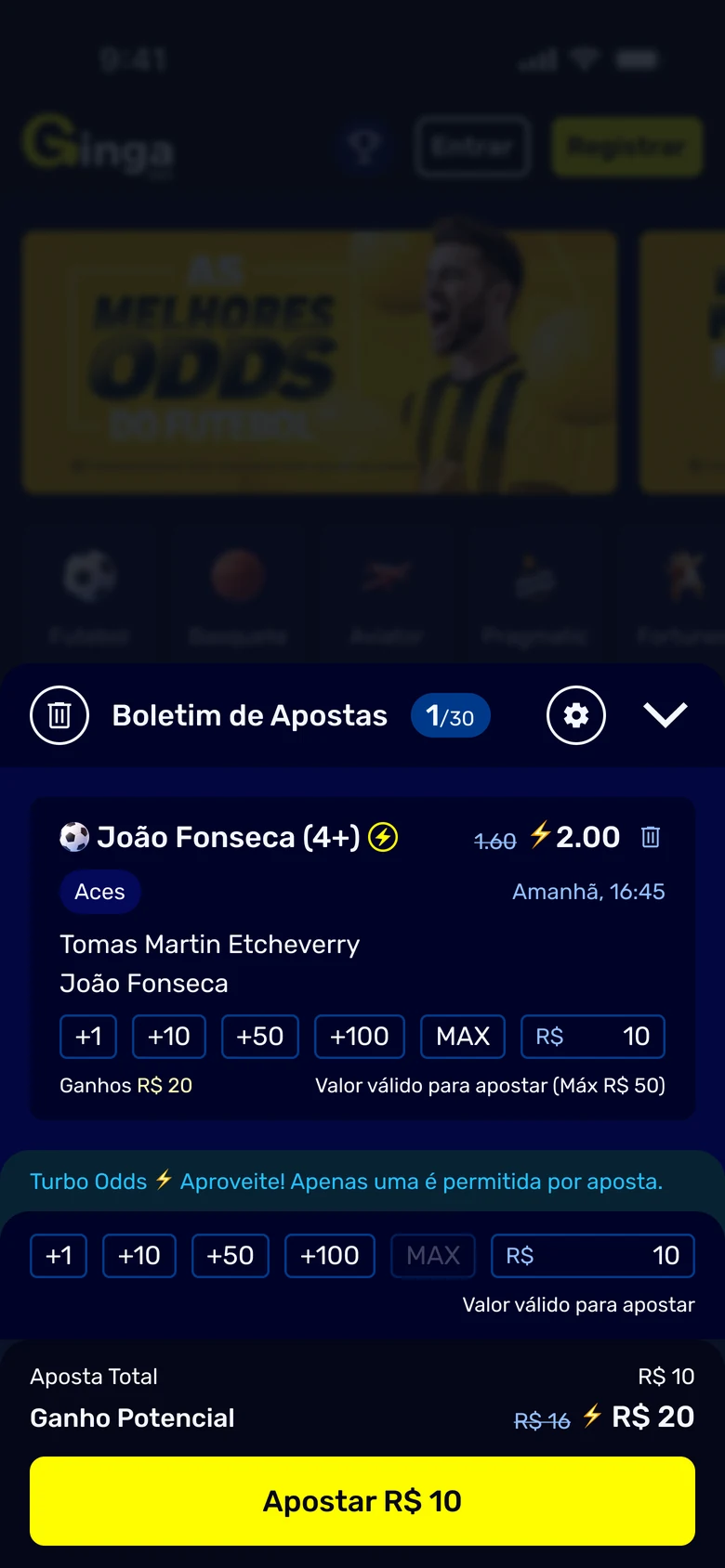
A boosted price carrying its maximum stake on the bet, and one allowed per bet. Designed, not built as of September 2026.
The market moves while you are deciding
A price that moved is not the same as a market that closed.
Odds move while a slip is open. In the design, the bet that changed carries the direction of the move on its own price, and the summary holds the previous and current odds together. Where the player has asked to confirm changes, the potential return is held back and the primary button asks them to accept the odds before it will place anything. Where changes are accepted automatically, the return is recalculated and a line says the odds were updated.
A closed market greys the selection, says it is no longer available, and directs the player to another choice.
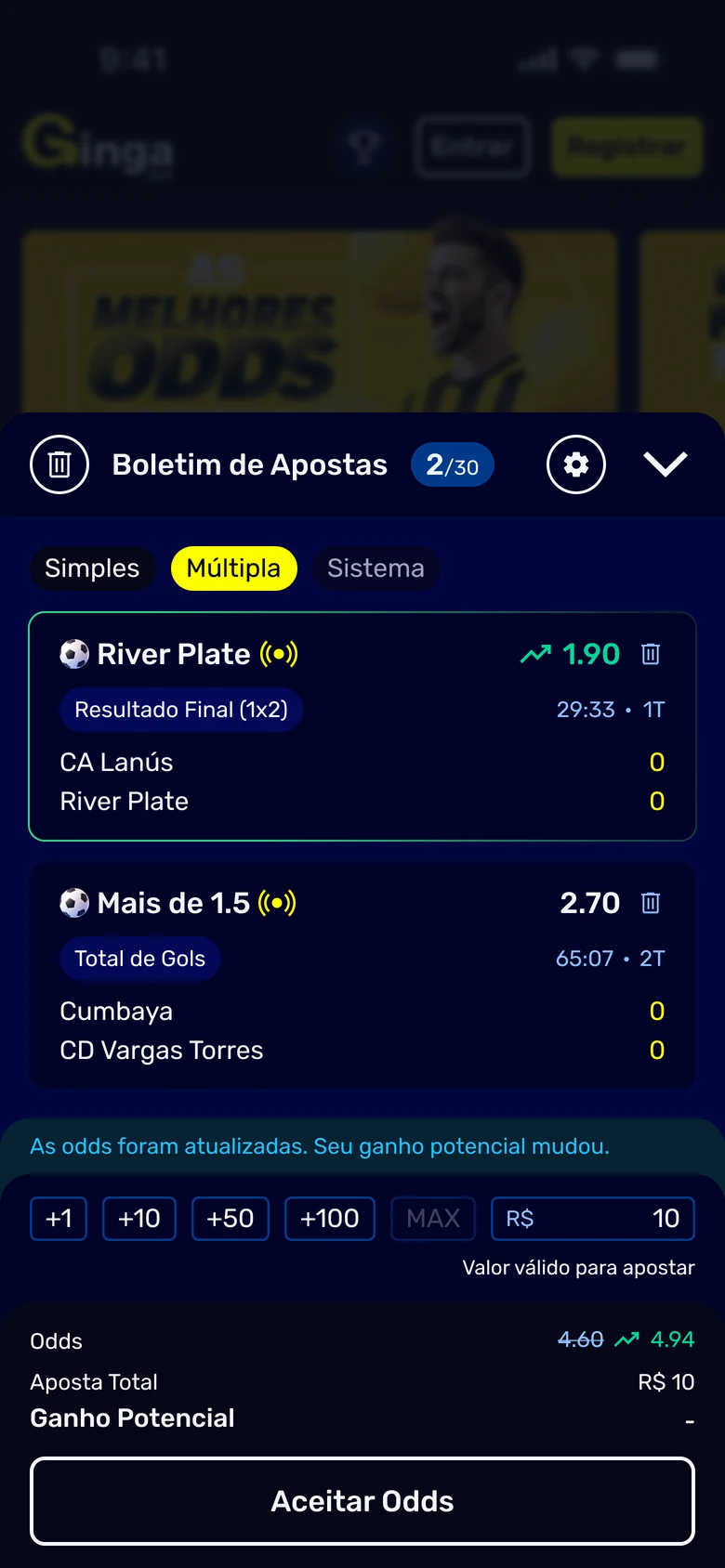
The preference asks for confirmation, so the return waits.
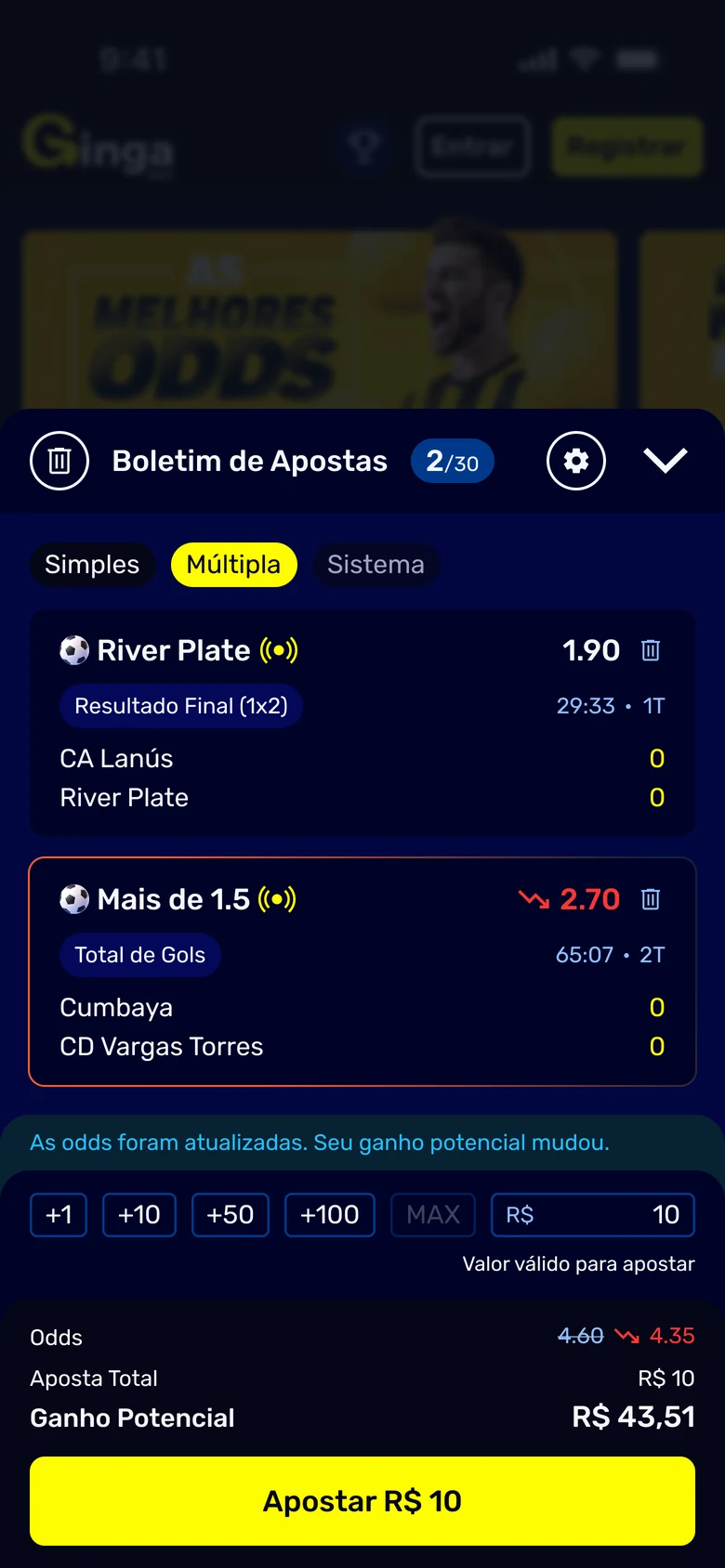
The preference accepts the change, so the return is recalculated.
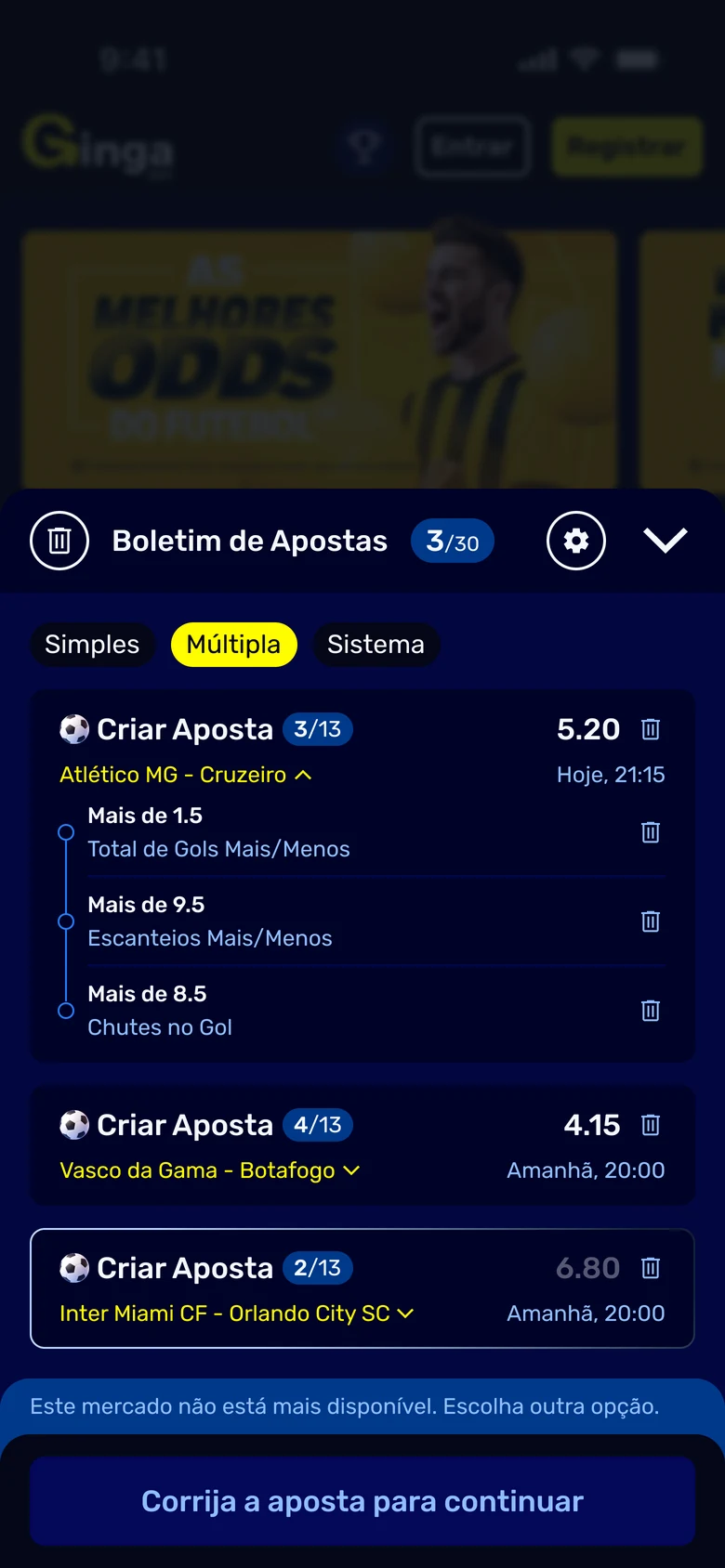
When a bet cannot be placed
Being stopped is part of placing a bet.
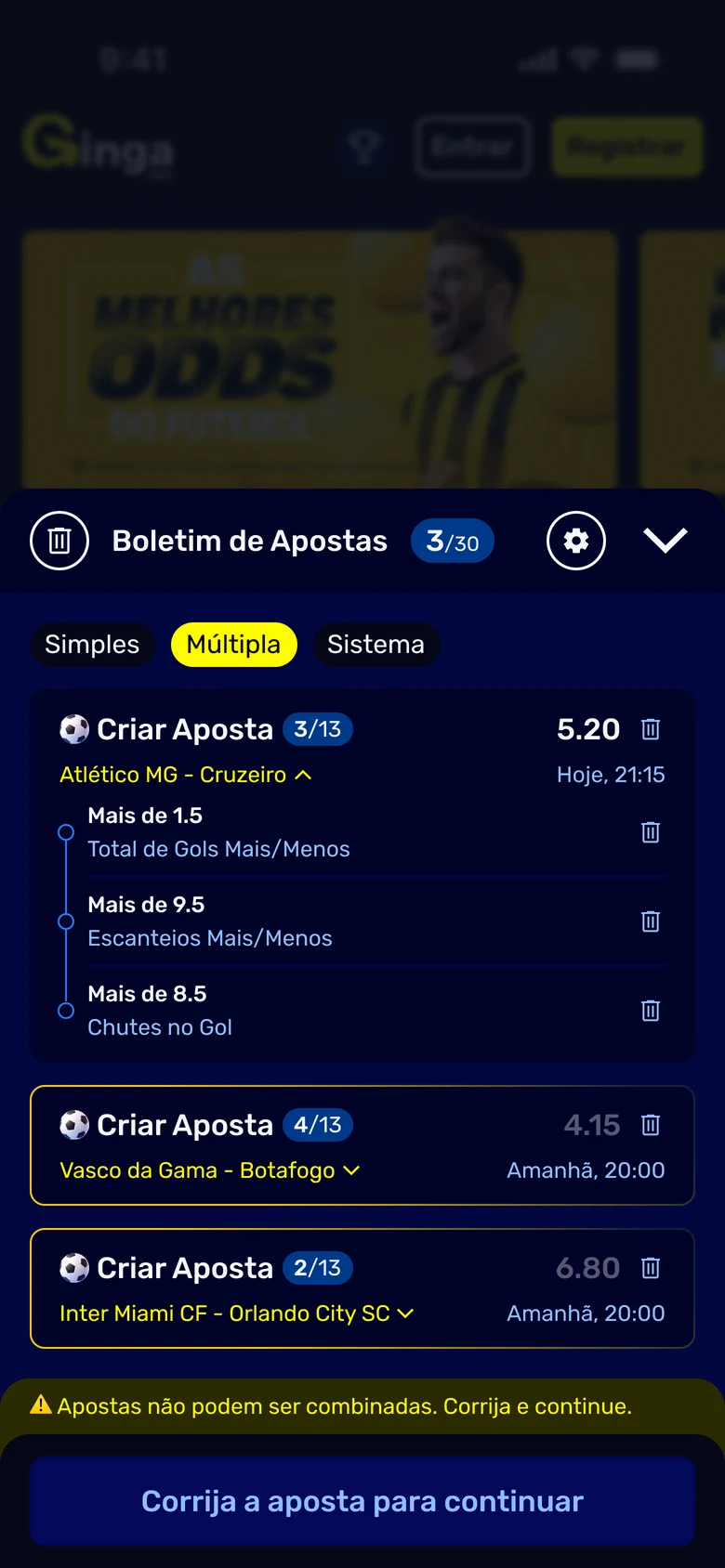
Bets get stopped for reasons that have nothing to do with each other. I set every refusal up to answer the same three things. What happened, in a sentence. Which bet it happened on, marked on the bet itself. And what the player can do next: the primary button stops offering to place the bet and asks for the correction, and where the fix belongs to one bet it sits on that bet.
Both selections marked.
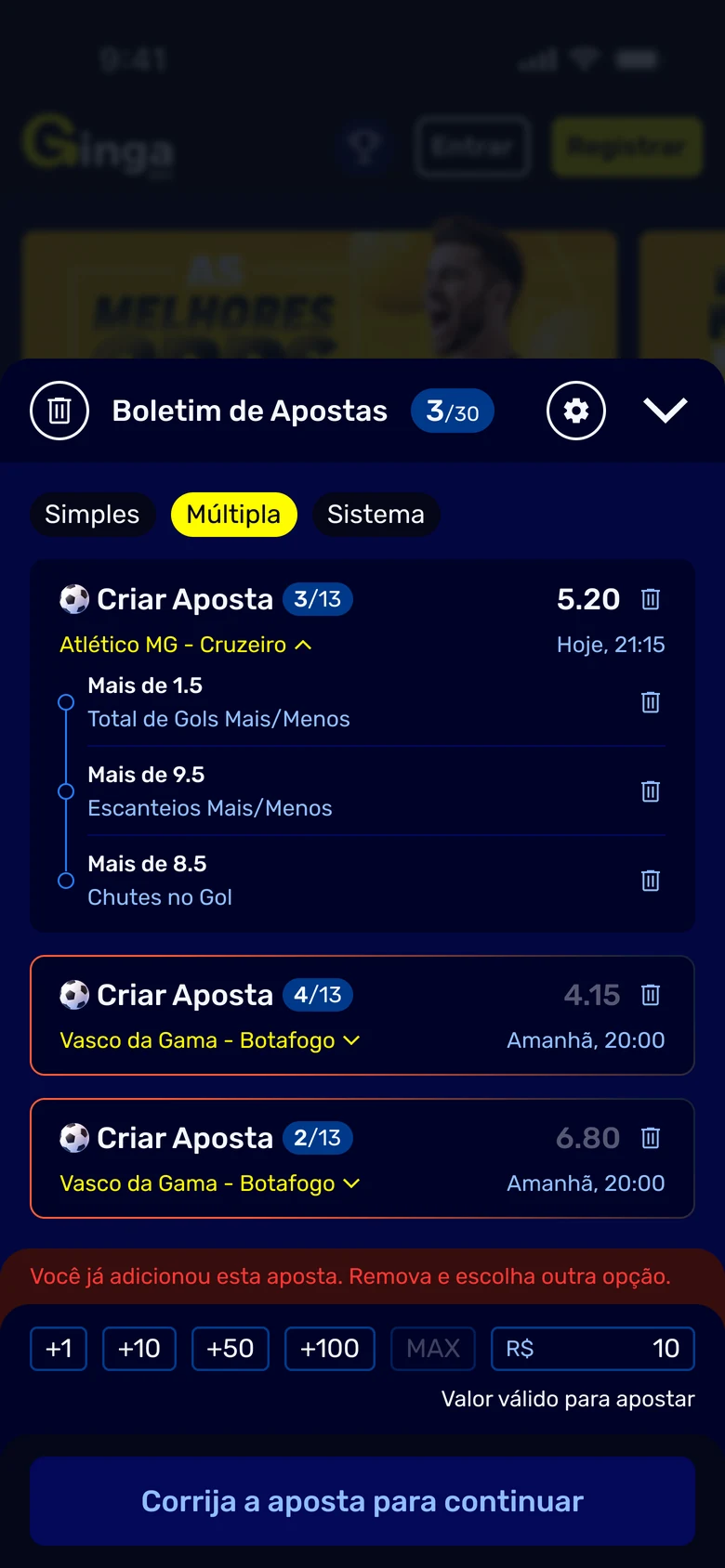
Both copies flagged.
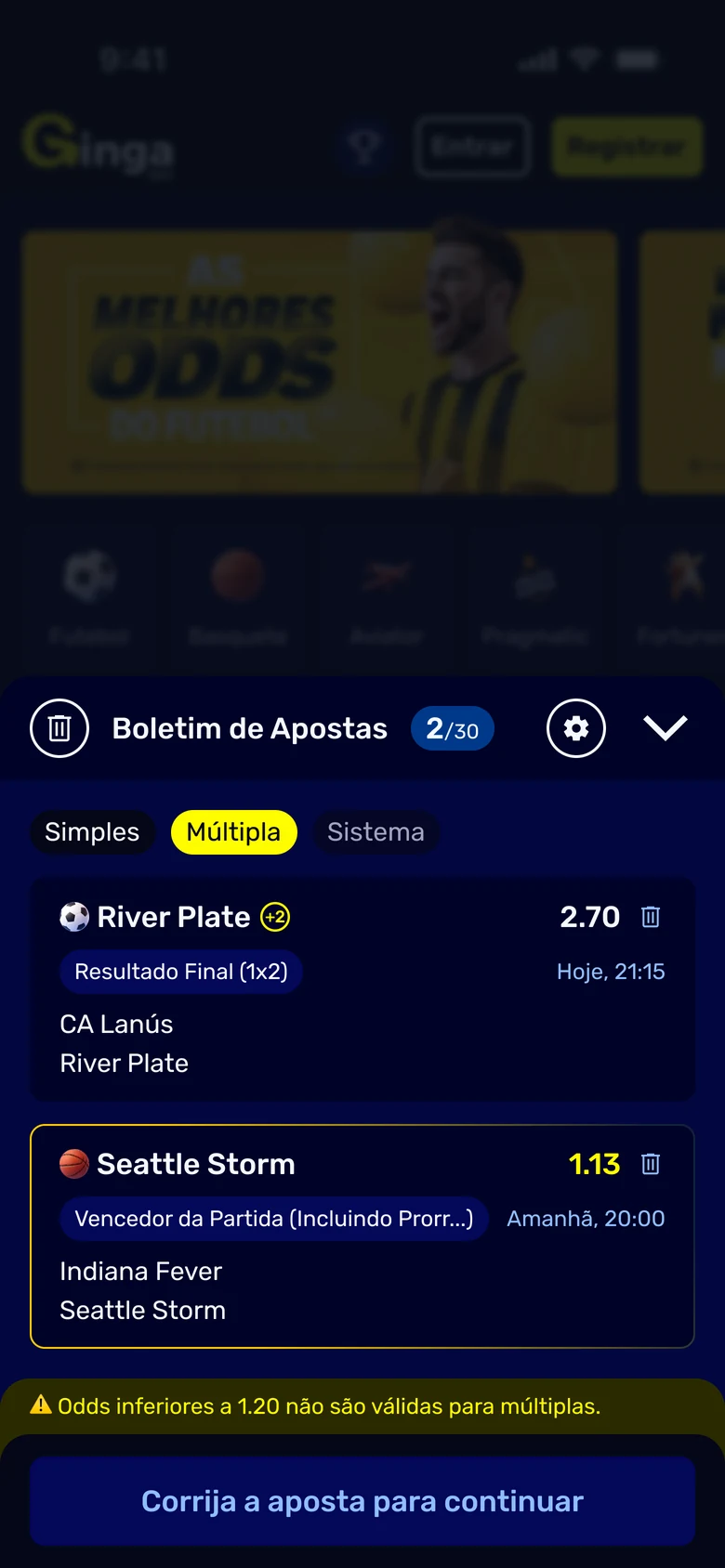
The odds marked on the bet, and no stake row.
Where the problem is a choice, the message names the kind of choice and the player makes it. Where it is a value, the correction is offered as an action. A stake above the maximum for a boosted price carries both options on the bet: take the highest amount the offer allows, or keep the amount and continue at standard odds.
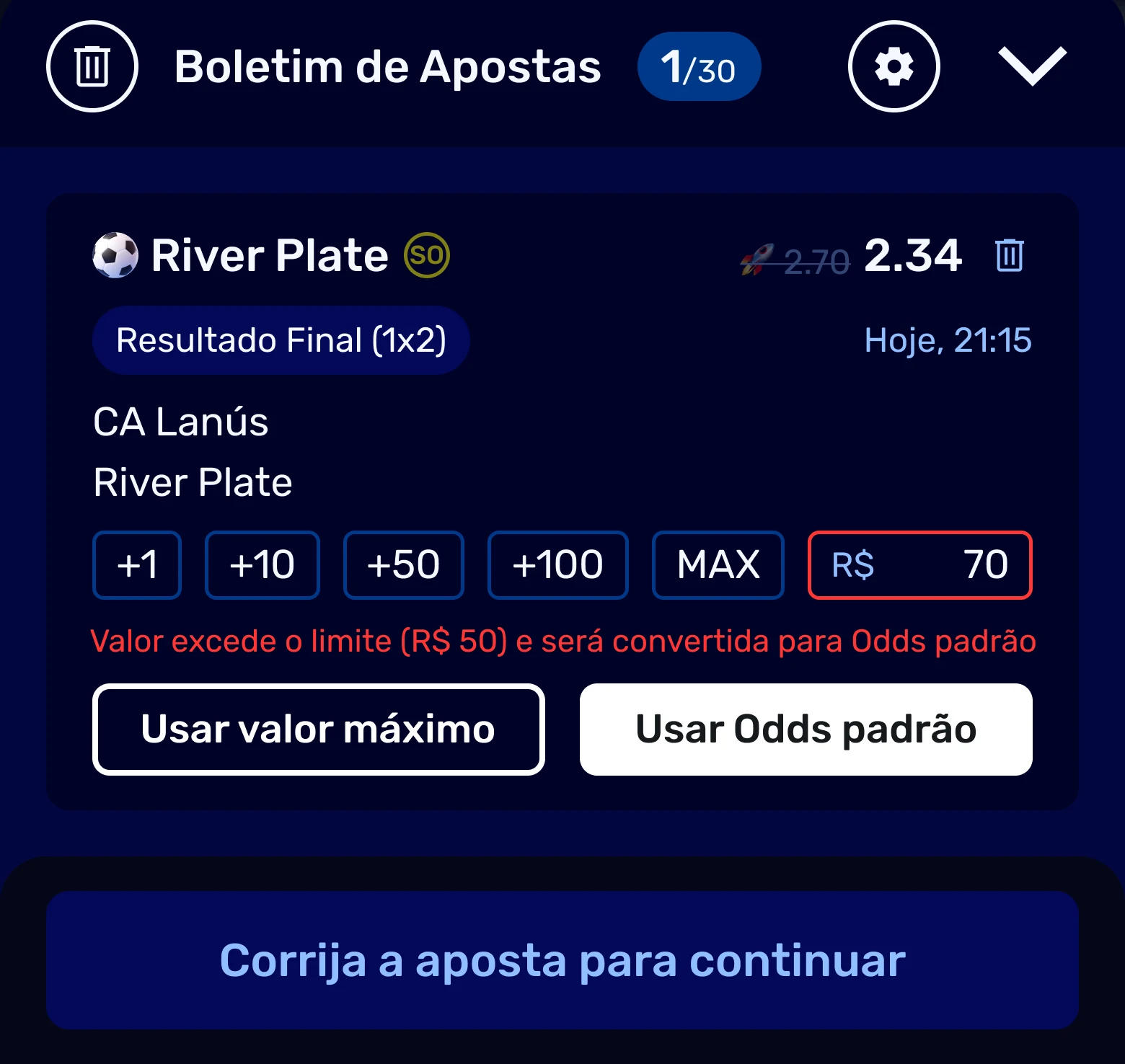
Both options sit on the bet, not in the message.
Promotions with rules attached
An offer is a set of conditions on an otherwise ordinary bet.
Super Odds carries a limit on how many boosted selections a Multiple may hold. Past it the slip is blocked, the affected selection can return to standard odds, and the bet stays in the slip.
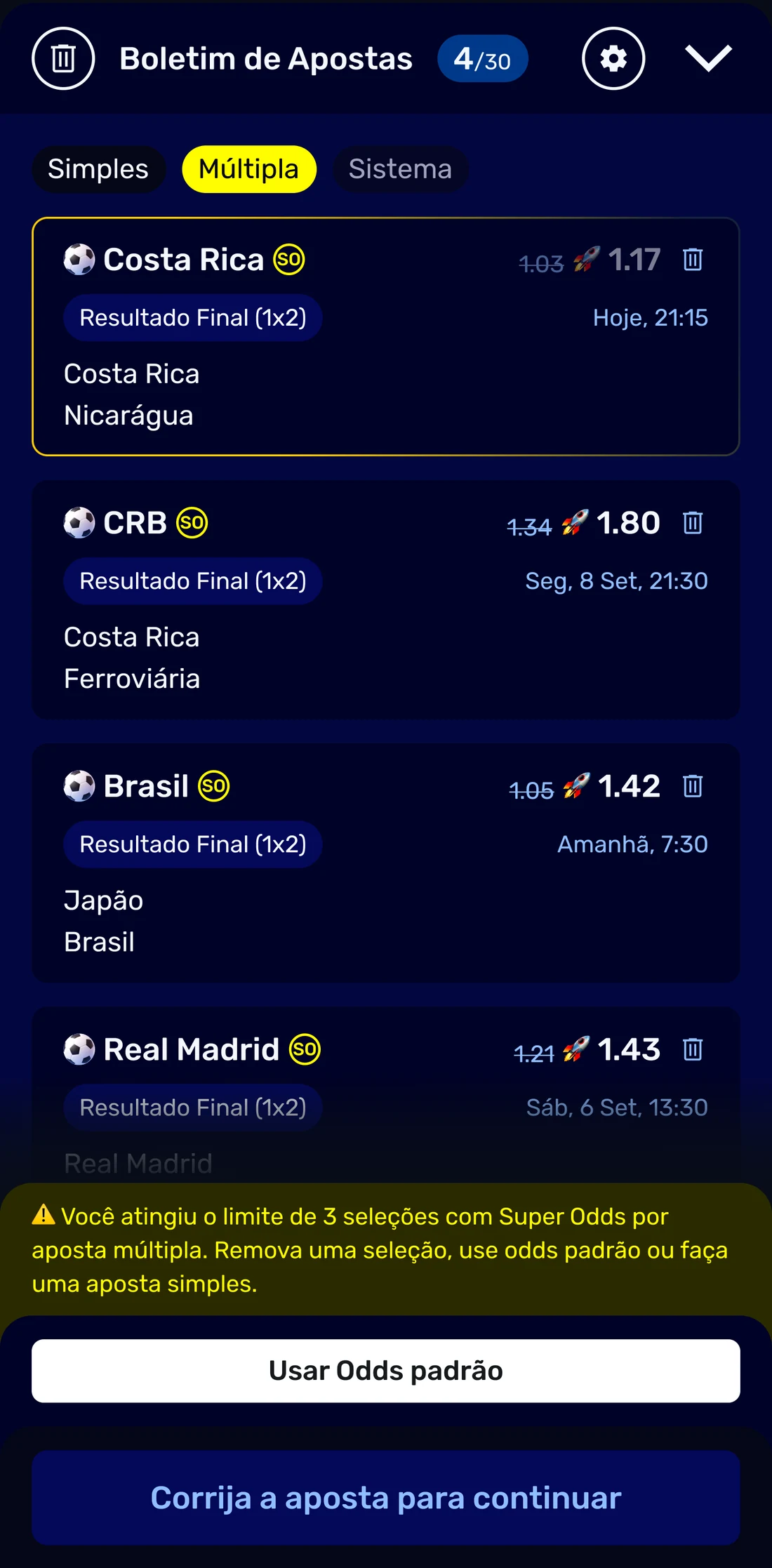
Four boosted selections against a limit of three.
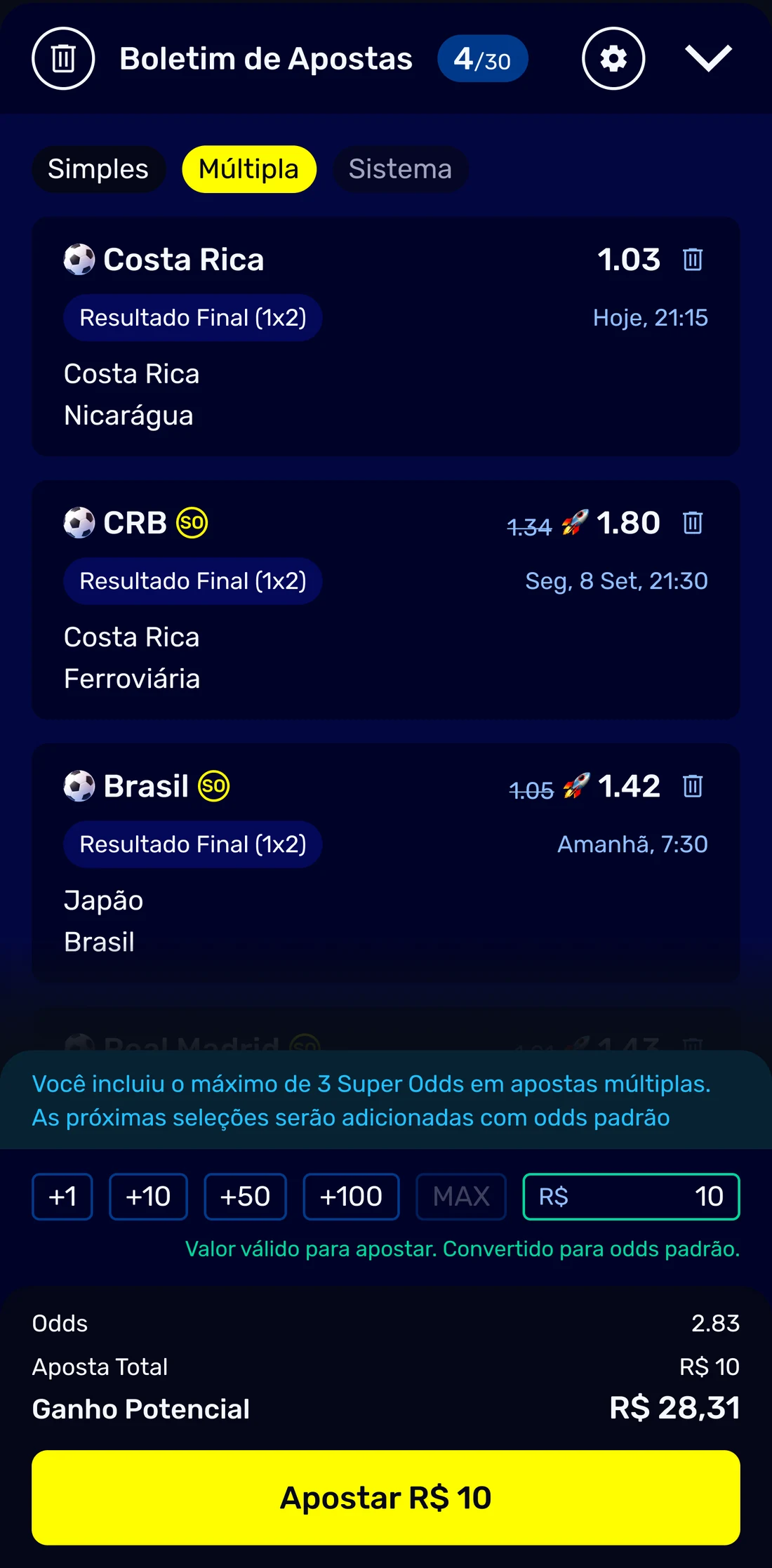
One selection back at standard odds.
Reflexión
Operator feedback shaped the design, and the card structure reached the product. I asked for more access to data and for research and testing with players, but that work was not prioritised. I could not assess how well the design worked for the people placing bets.
The operators knew their market, but their feedback could not answer all my questions about the player experience. Could players distinguish each bet and its stake? Understand why a bet was blocked? Find how to correct it? These are the questions I would take into usability testing before deciding what to change next.