An in-flight system for 35 million passengers
Translating an evolving visual identity into a production-ready in-flight system: around 200 interfaces, 16 languages, on embedded hardware.
147 aircraft · 35M passengers a year · 16 languages, full RTL
The assignment
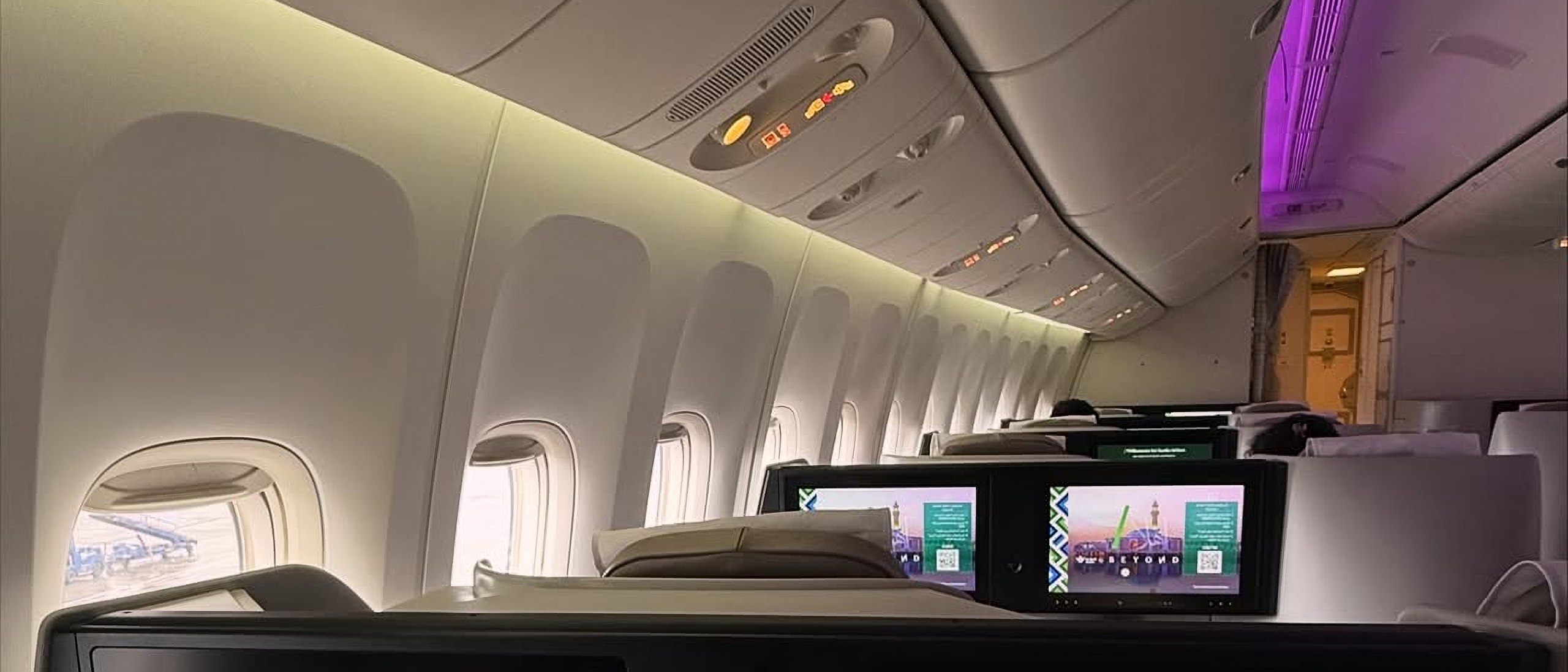
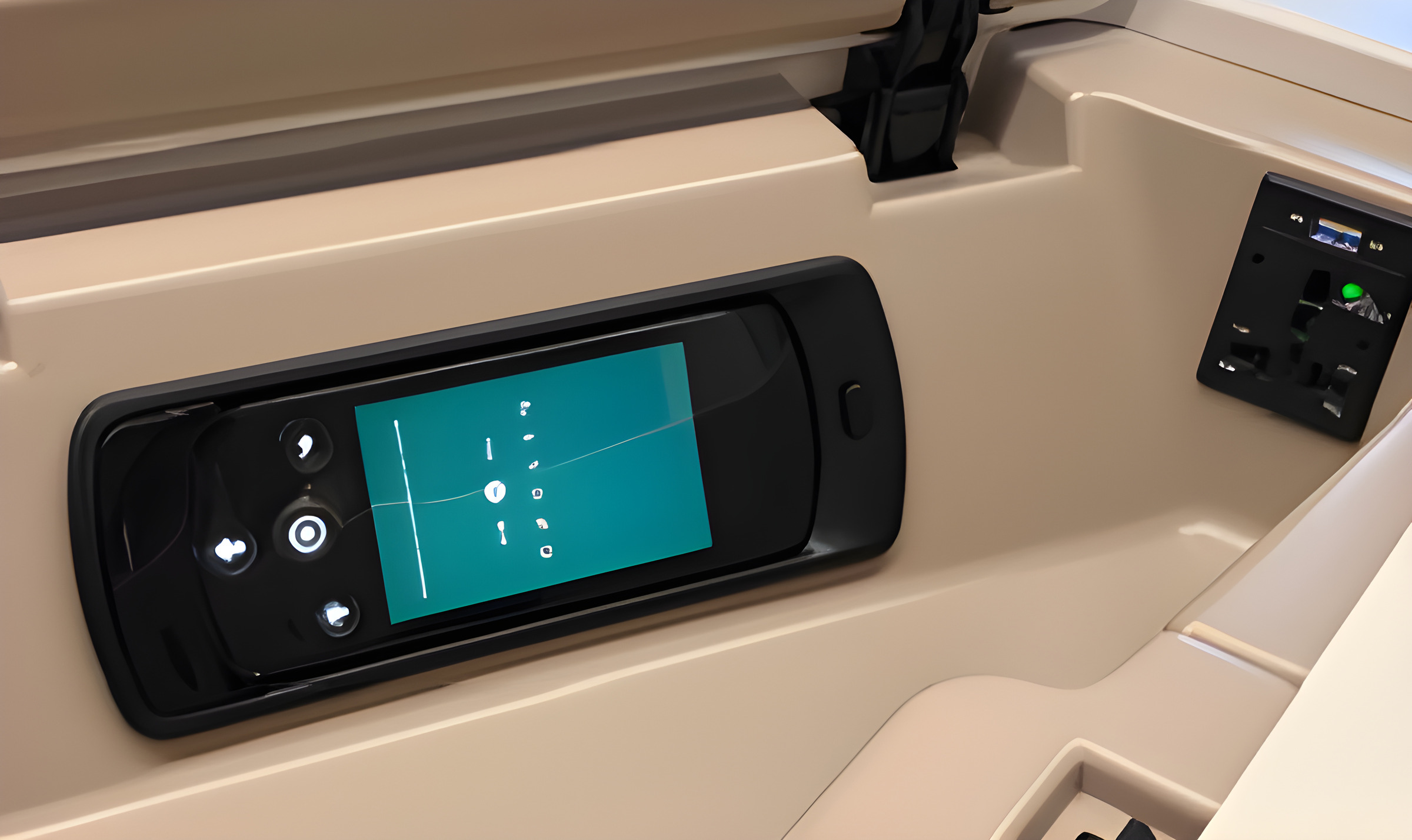
Saudia’s seatback and handset entertainment, on Panasonic Avionics hardware across the fleet.
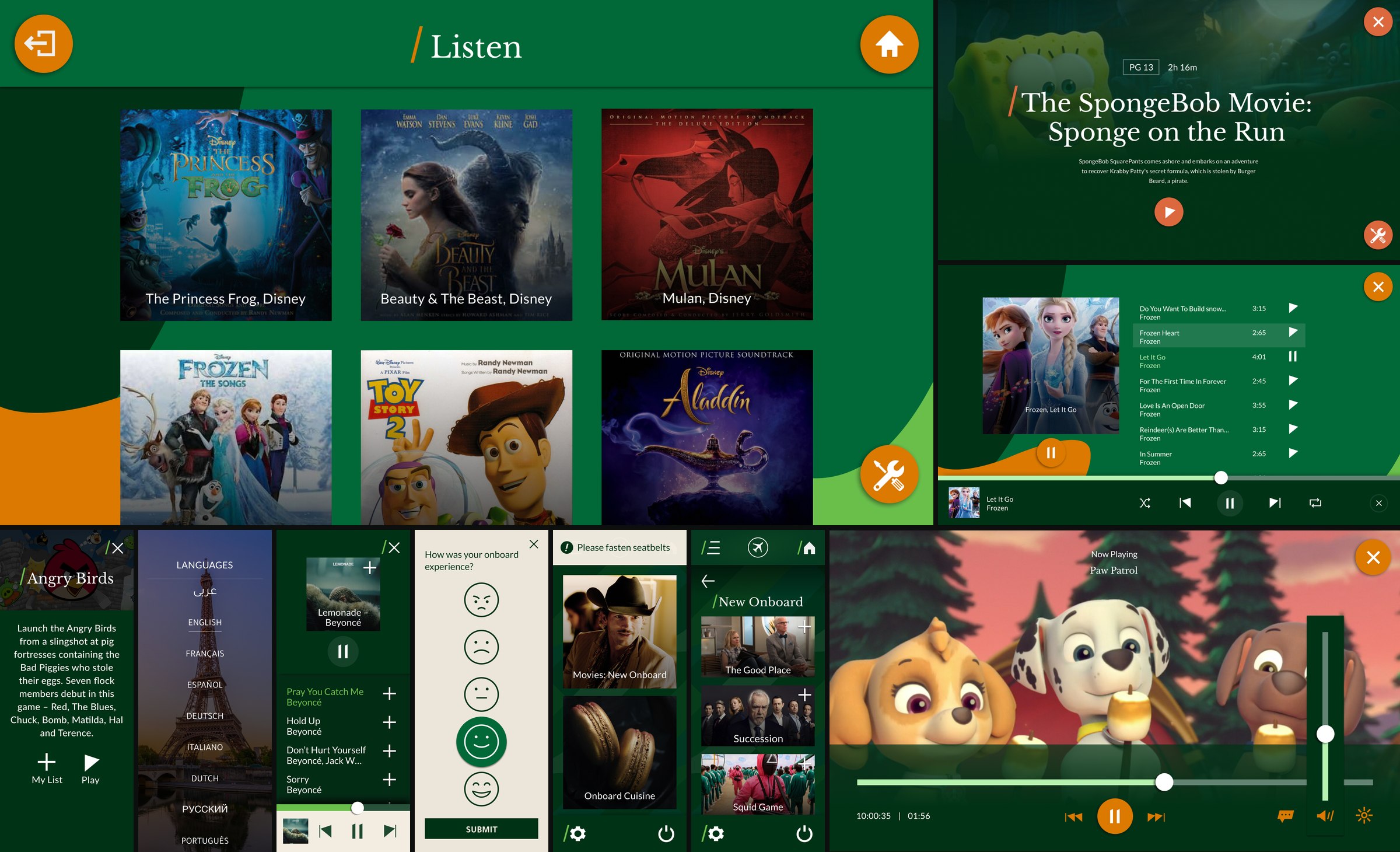
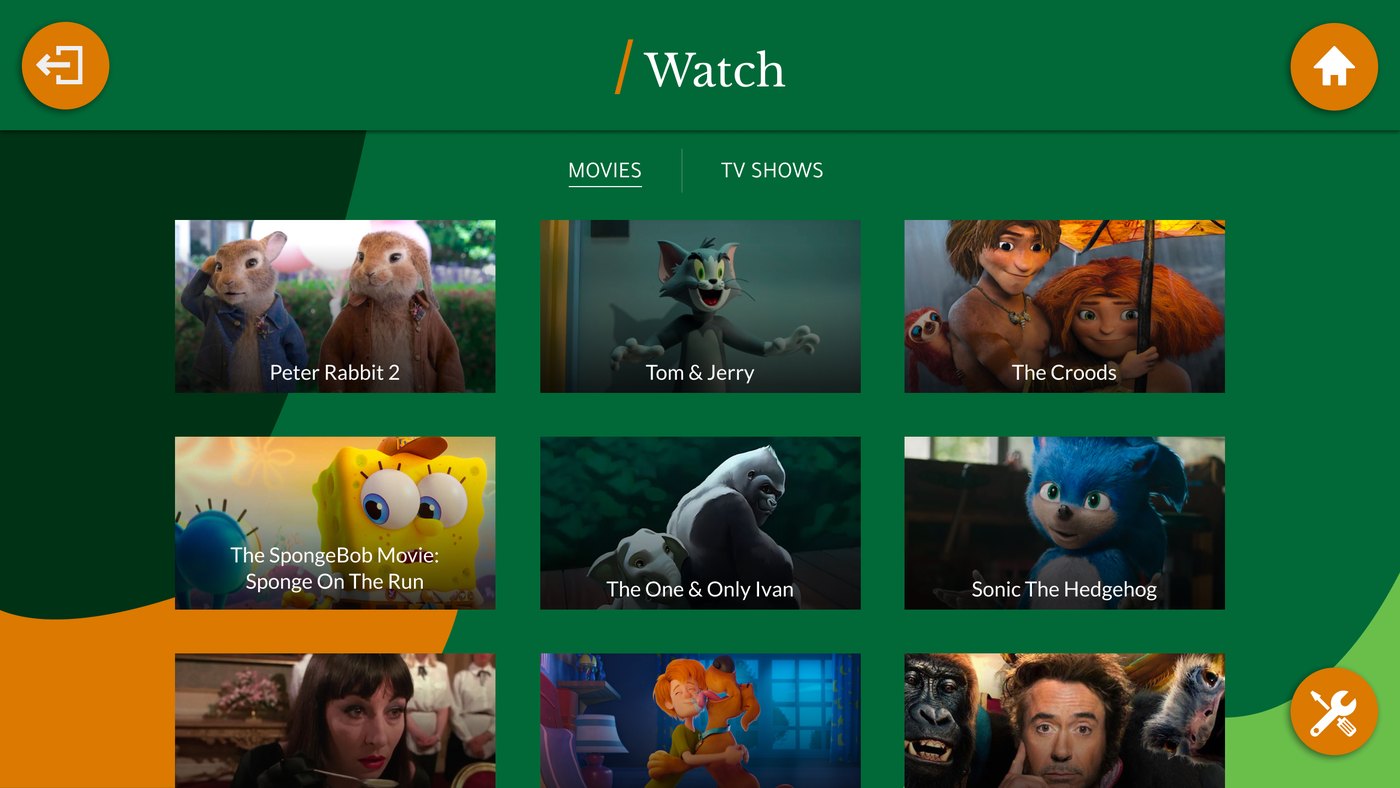
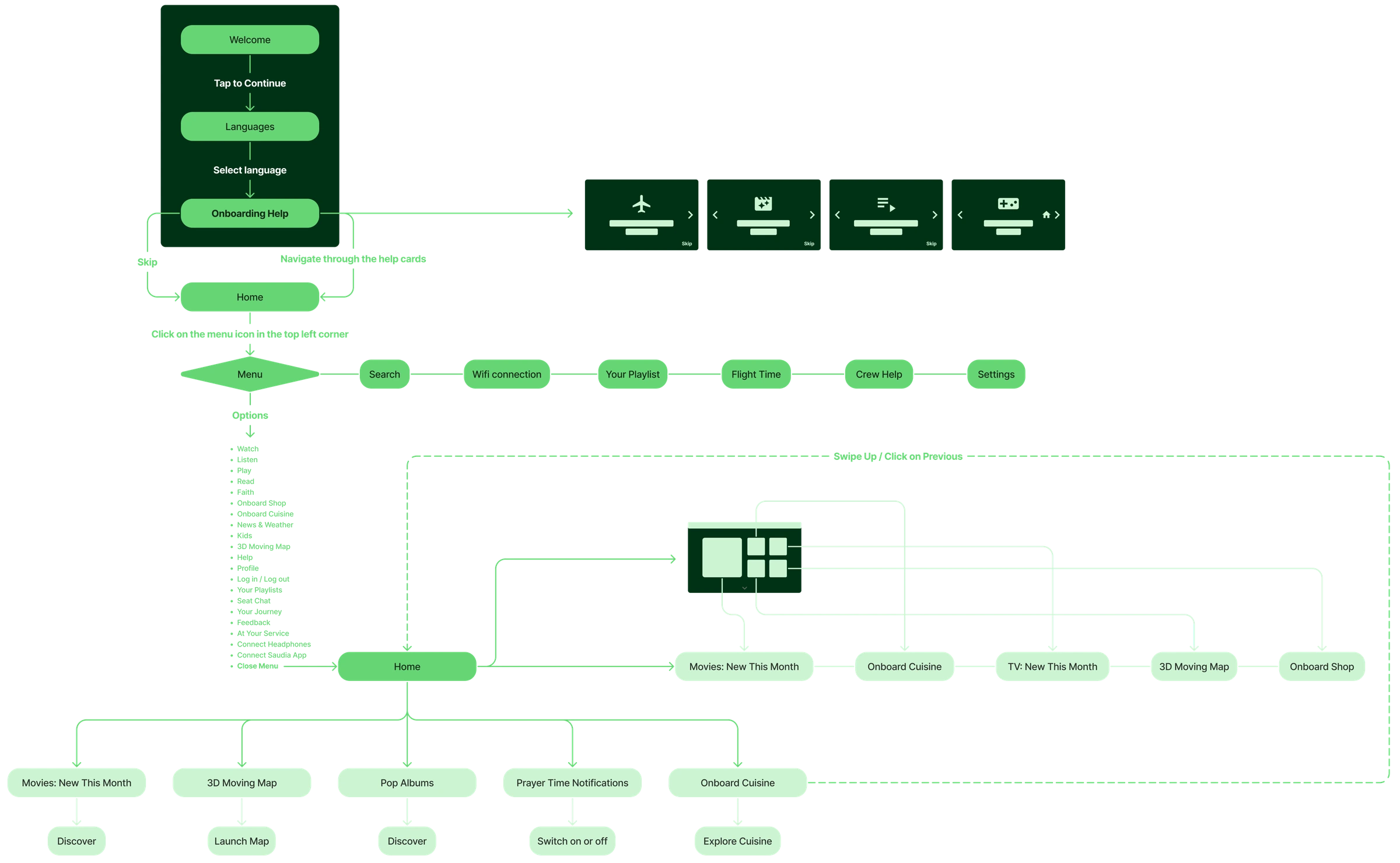
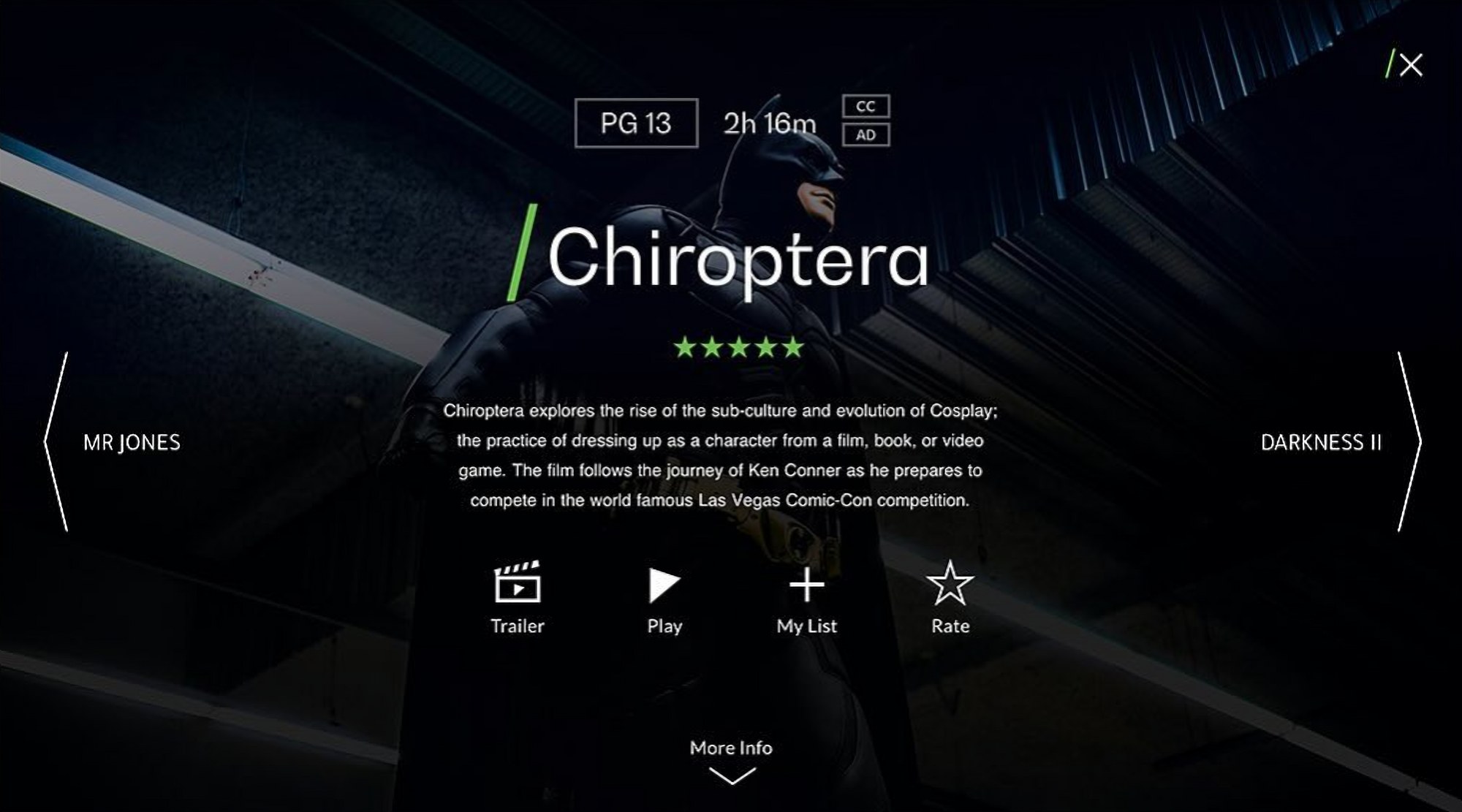
In 2022, Saudia was building its new in-flight entertainment experience while its visual identity was still evolving. The Creative Director set the core visual direction; my role was to carry and extend it across complete flows and around 200 production interfaces, supporting 16 languages on Panasonic Avionics embedded hardware.
- Role
- UI & Digital Product Designer
- Agency
- Future Provenance, London
- Timeframe
- 2022-2024
- Platform
- Panasonic Avionics
- Team
- 1 CCO · 1 CD · 2 UX/UI Designers
The commission
In 2022, Saudia commissioned a complete redesign of its in-flight entertainment, running on Panasonic Avionics hardware across its fleet.
The envelope
Once airborne, nothing changes. Whatever ships has to be right before the doors close.
Inside that constraint, the work had four fronts.
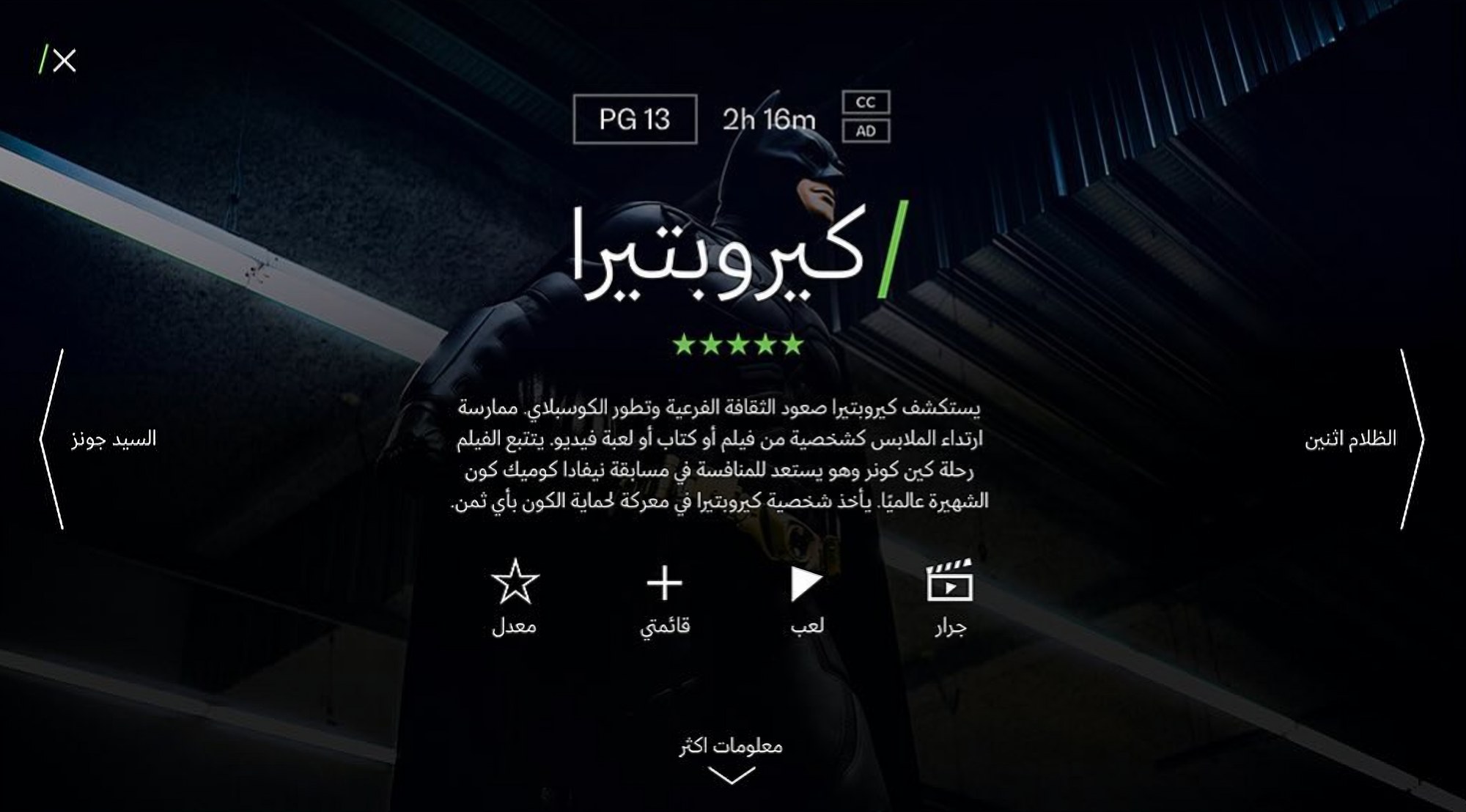
16 languages, full Arabic RTL
Sixteen locales on one fixed interface, including right-to-left Arabic.
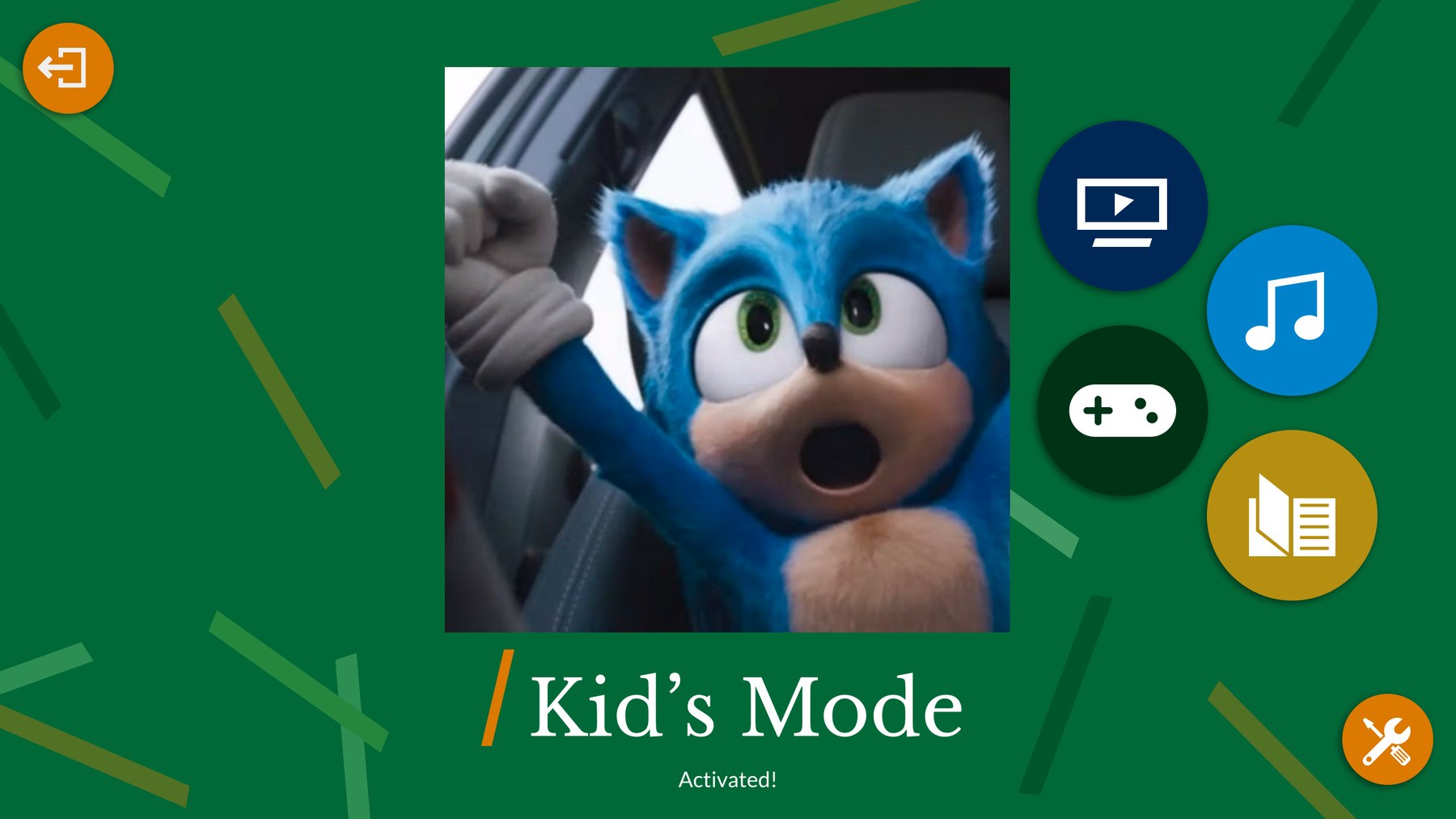
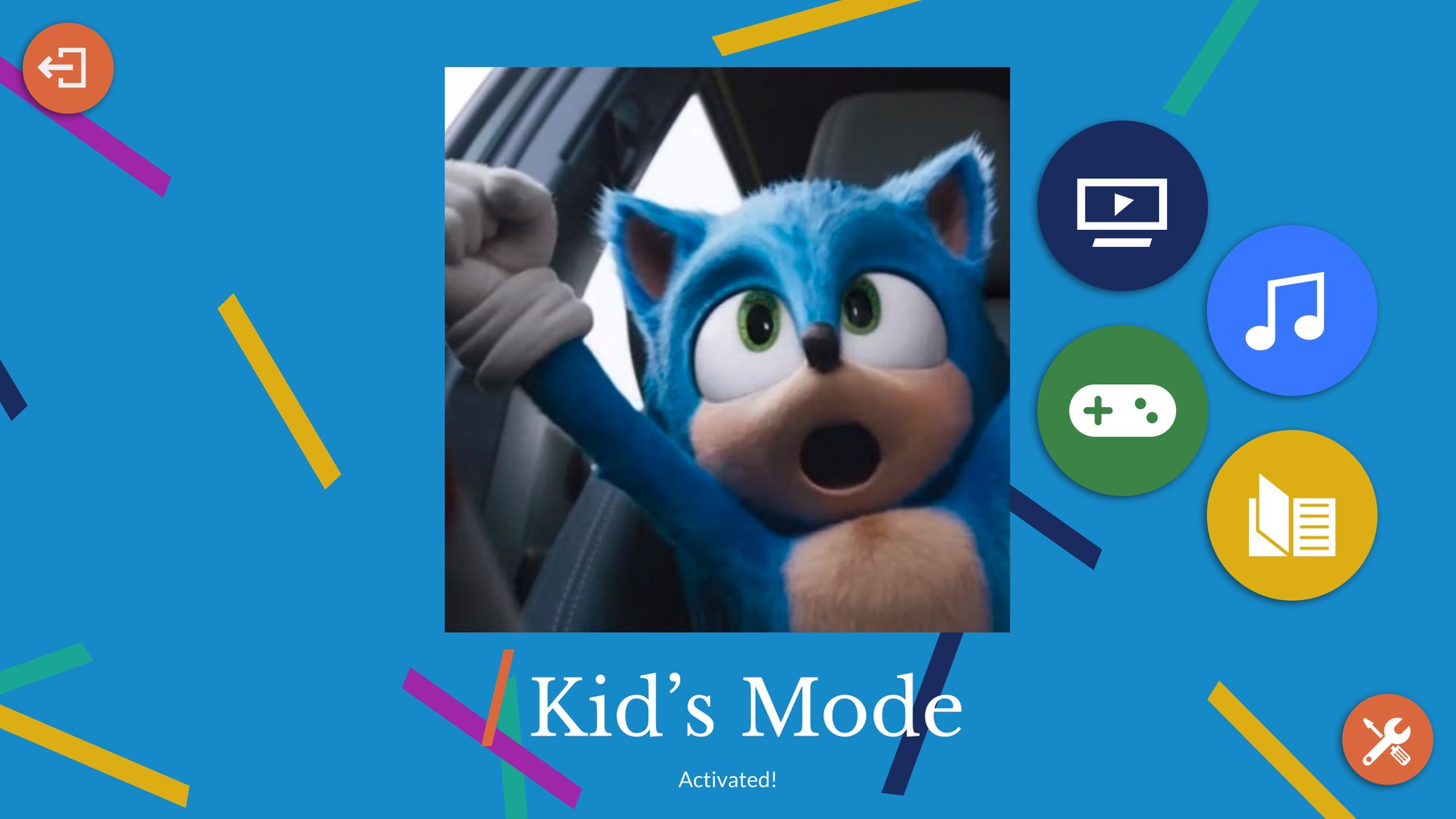
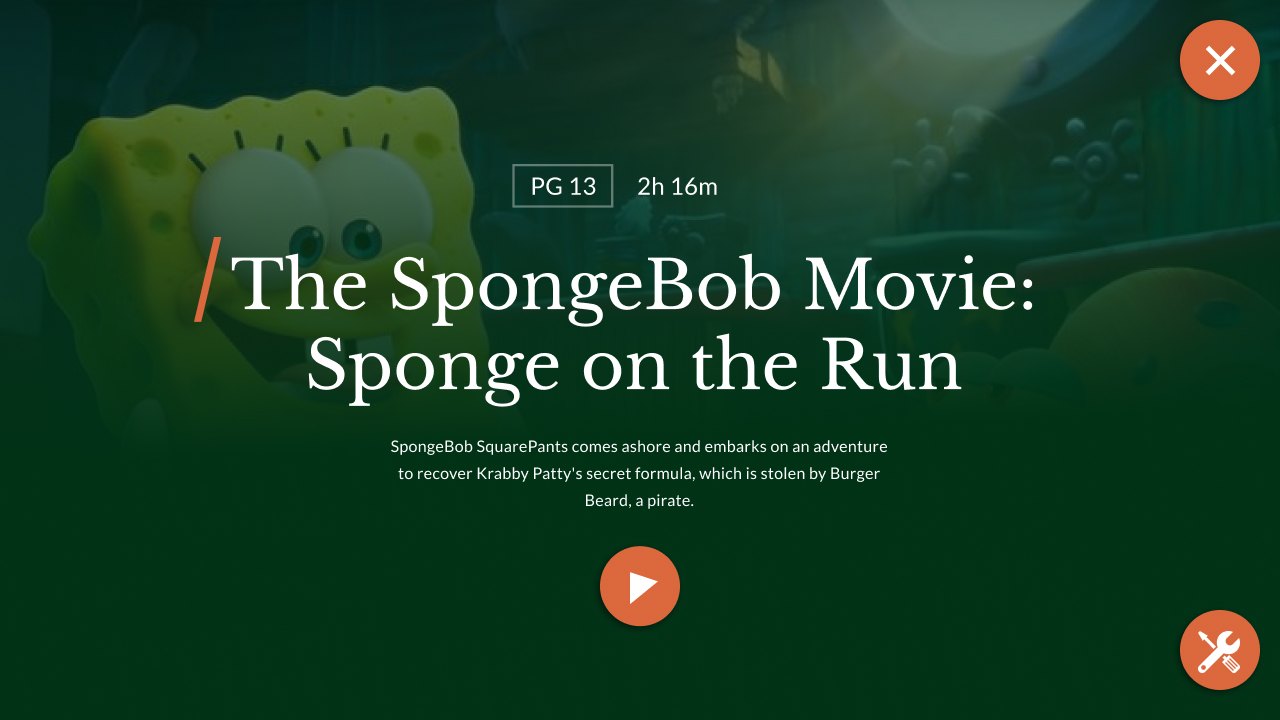
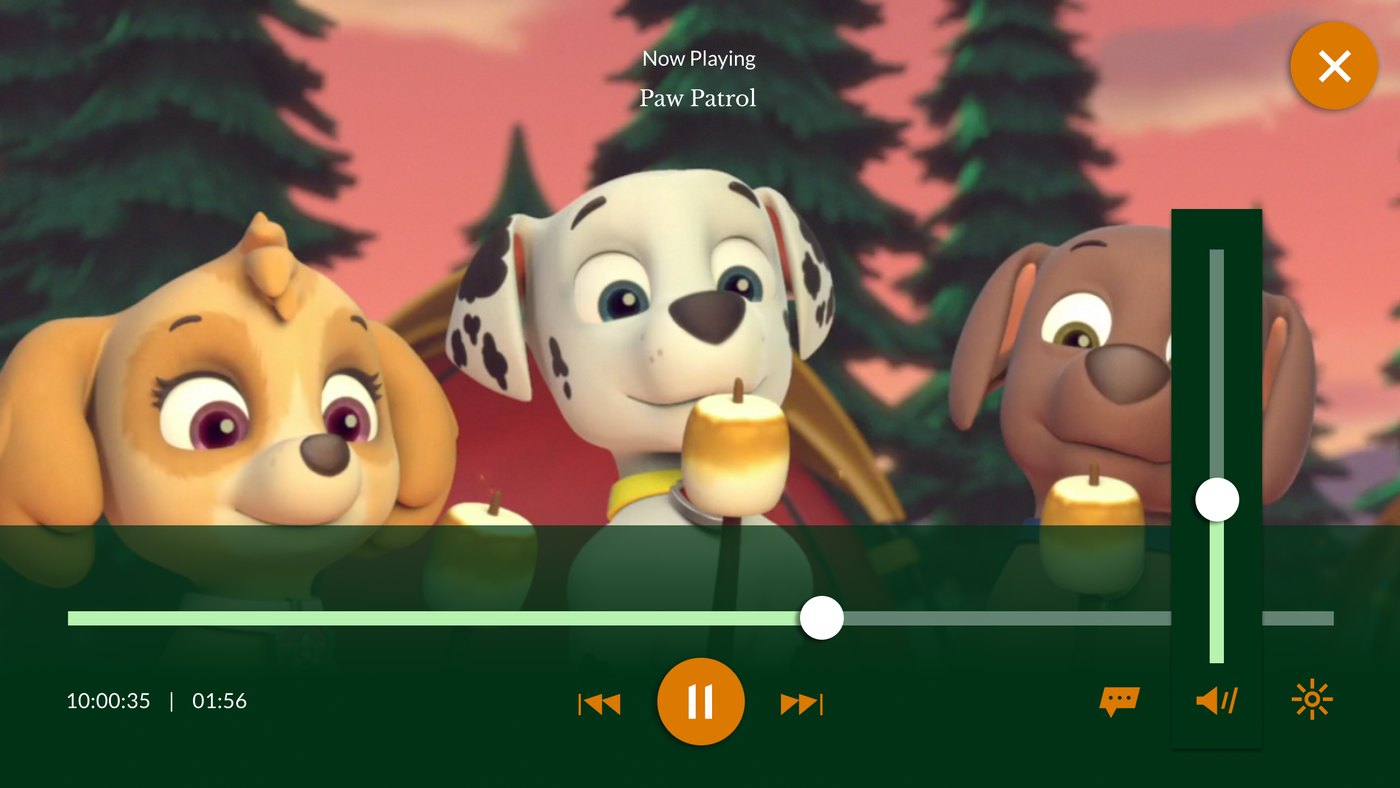
Kids Mode
The existing kids interface had accessibility issues.
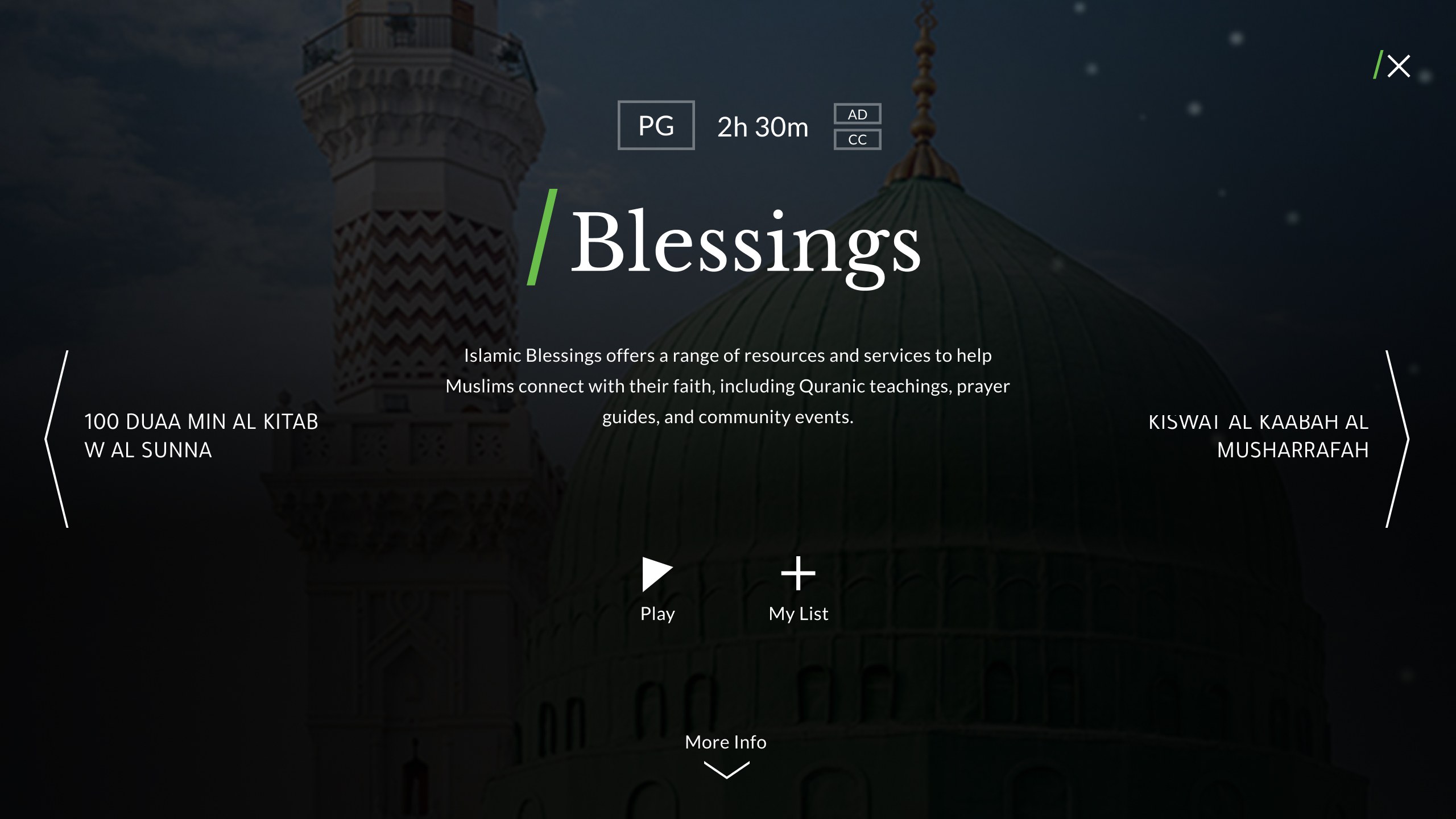
Islamic content
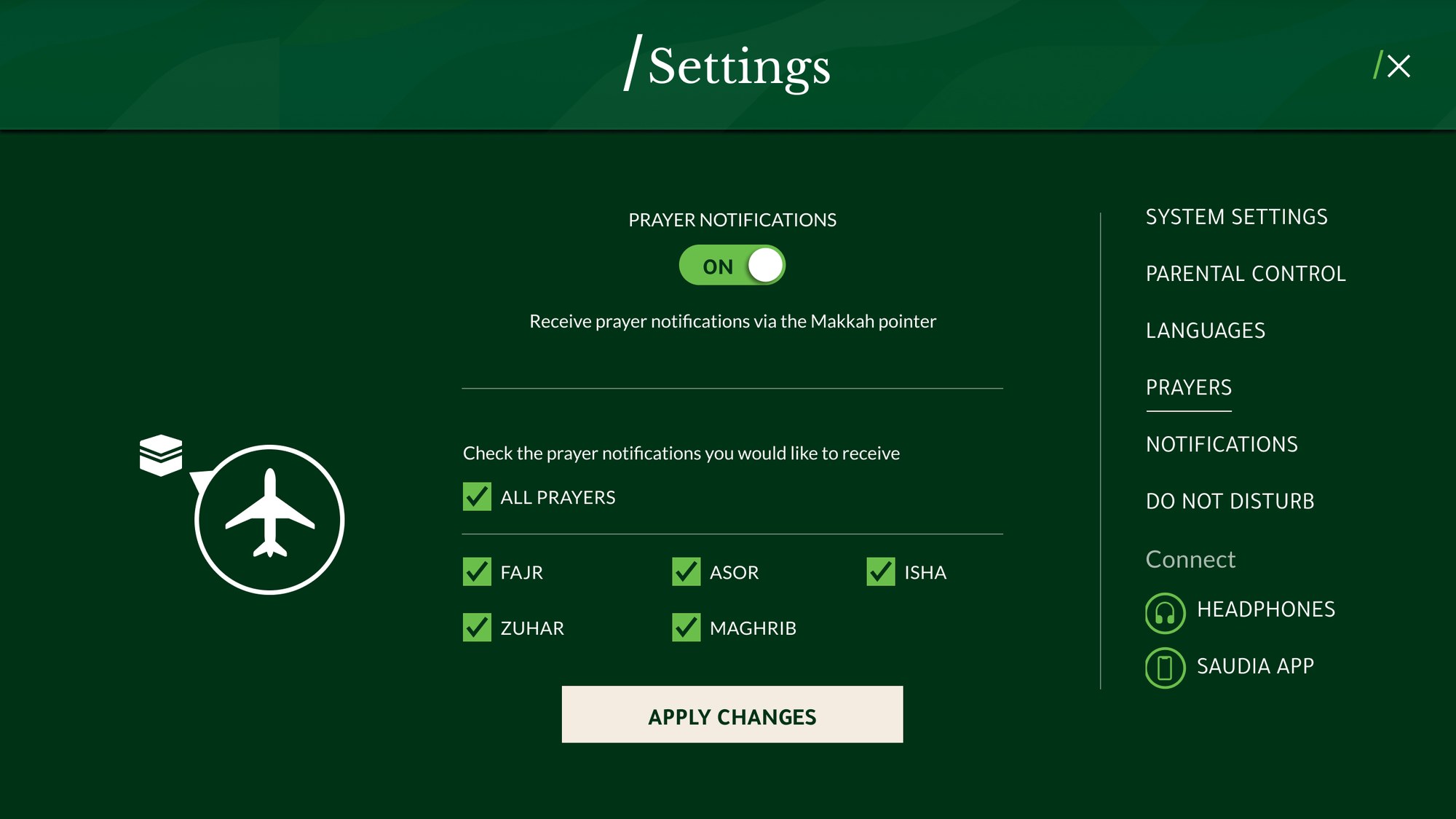
Prayer times and Mecca direction had to feel part of the main experience.
Rebranding mid-project
A new brand identity arrived halfway through.
Authorship
UI and digital product designer, via Future Provenance (London), in a four-person team with a chief creative officer, a creative director and another UX/UI designer. The authorship boundaries matter here, so they are explicit.
From creative leadership: the visual identity, the SaudiaBEYOND creative direction, the content strategy. Collaborative: the decision to change the primary CTA color after I raised it, and the approach to integrating Islamic content. Hardware and its constraints belonged to Panasonic Avionics.
Mine: translating the evolving identity into around 200 production interfaces in Sketch and Zeplin, keeping them consistent across 16 languages. Identifying and raising the accessibility problems the new identity introduced. Kids Mode, end to end, after I flagged its issues. Arabic-specific screens where mirroring was not enough.
The decisions
- 01
Raising the green
The new identity’s primary green failed WCAG contrast on the main CTAs. I measured it, raised it, and the color was changed. In a sealed environment, a contrast failure ships to 147 aircraft and stays there, so this was not a polish note. It was a launch condition.
- 02
Taking Kids Mode without being asked
I identified quality and accessibility issues in the existing kids interface, took ownership of it, redesigned its themes and corrected its accessibility. Nobody assigned it.
- 03
Translation at scale, through a moving identity
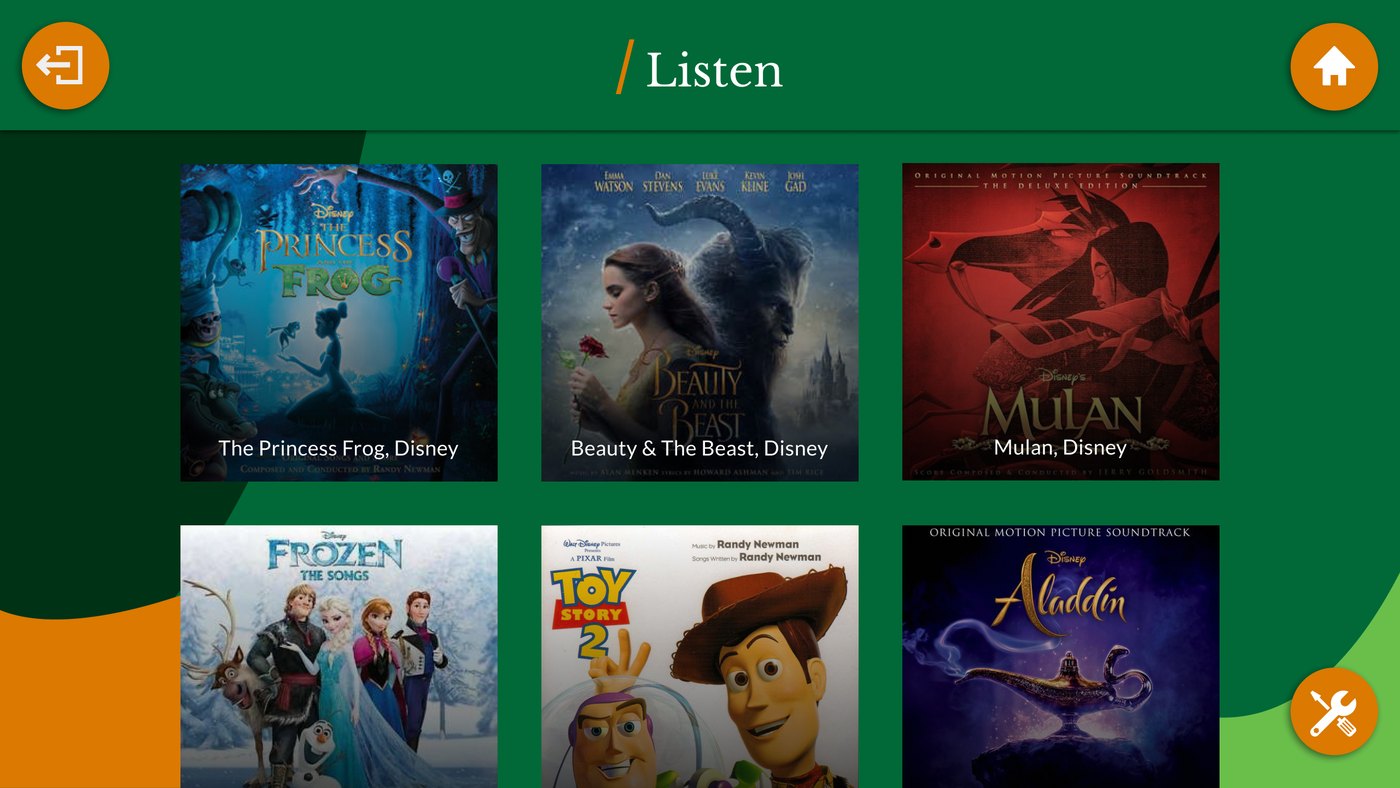
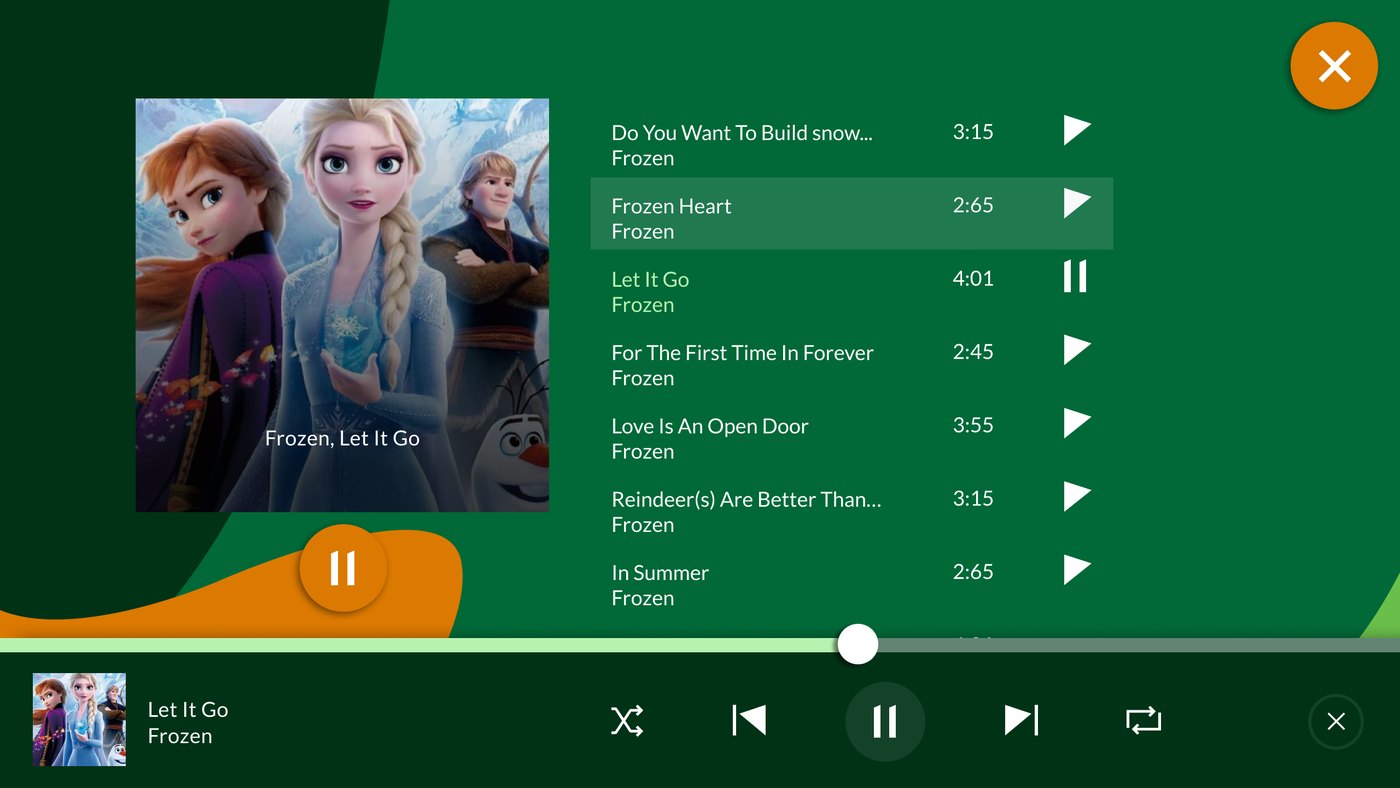
Around 200 production interfaces in Sketch and Zeplin, kept consistent while the identity itself evolved, including the mid-project rebrand that required reworking every existing screen.
- 04
Arabic as design, not as mirroring
Full RTL treated as cultural design, with Arabic-specific screens where mirroring was not enough, alongside fifteen other languages on one embedded system.
 Before After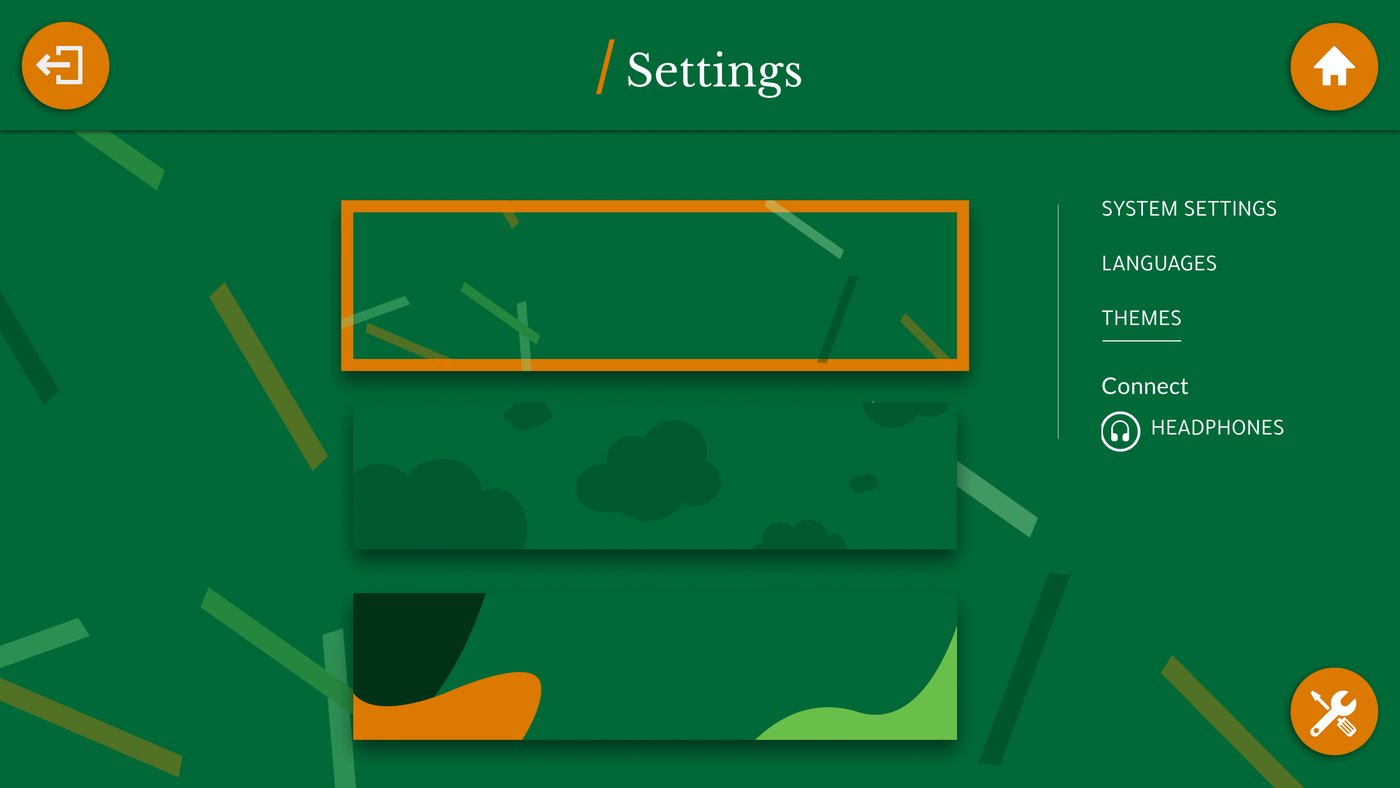
What outlived the screens
What outlived the individual screens: a corrected primary color in the shipped product, the accessibility standard, and a sixteen-language, full-RTL production system running in the same form across the fleet.
In numbers
- 147
- aircraft
- 35M
- passengers a year
- 16
- languages, full RTL
- #12
- Skytrax IFE, 2025
- WCAG-compliant, Kids Mode included.
Reflection
You do not need to own a system to raise its quality. You need evidence, and the willingness to flag what you measured. If I could redo one thing, I would have captured baseline measurements, so the strongest proof of progress would not have to be external.